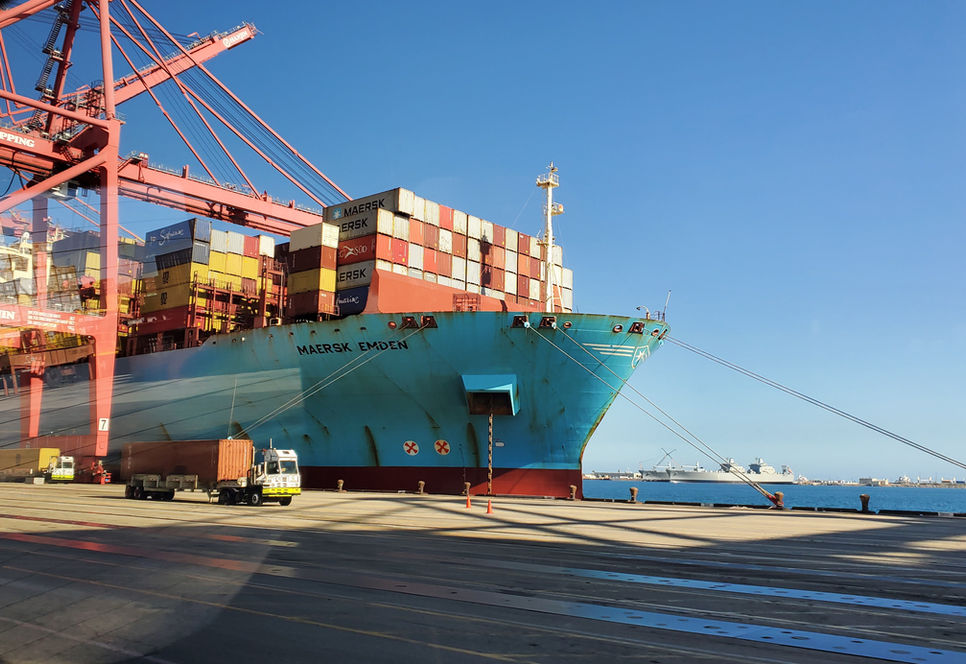
Global destination markets connected by temperature-monitored lanes
Expertise & Information Gain
Navigating Complex Pet Food Logistics in a Regulated Global Market
The international pet food market is undergoing a seismic transformation. Driven by pet humanization, premium organic formulations, freeze-dried raw foods, and active veterinary diet imports, the demand for high-integrity Pet Food Logistics has never been higher.
Transporting pet food across international borders is not merely about moving boxes; it requires navigating a minefield of stringent sanitary regulations, moisture control parameters, pest prevention standards, and rigid FDA/USDA customs compliance. A single failure in temperature management or humidity control during an ocean transit can cause oxidation of fats, mold growth (aflatoxins), or salmonella proliferation—costing importers hundreds of thousands of dollars in rejected cargo and ruined brand reputation.
At SHIPIT Logistics® (operating as a licensed US Freight Forwarder and NVOCC since 1974), we specialize in risk-averse, end-to-end pet food supply chains. We bridge the gap between global ingredient manufacturers, pet food exporters, and retail distribution channels across 150+ countries.
FDA FSMA Sanitary Transportation Compliance: Rigorous container pre-trip inspections, sanitization logs, and thermal mapping to prevent cross-contamination.
Multi-Temperature Execution: Frozen (-20°C) for raw pet diets, chilled (+2°C to +8°C) for fresh treats, and climate-controlled ambient (under 22°C/60% RH) for dry kibble.
Customs & Biosecurity Clearance: In-house ISF filing, USDA APHIS permit validation, and FDA Prior Notice submission.
50+Years Experience
Tailored Logistics Services
Comprehensive Pet Food Logistics Product Matrix
Different pet food categories demand distinct environmental controls and regulatory oversight. Explore our specialized logistics solutions engineered for maximum shelf-life and zero contamination.
Dry Kibble & Extruded Pet Food Logistics
Dry kibble is vulnerable to container rain, humidity absorption, and fat rancidity. We utilize NOR (Non-Operating Reefer) containers or dehumidified FCL units equipped with high-grade desiccant bags and craft-paper thermal liners to maintain moisture levels strictly below 10%.
Biologically Appropriate Raw Food (BARF) and fresh cooked meals require uninterrupted deep-freeze logistics (-18°C to -25°C). We deploy active Smart Reefers with continuous IoT data logging for real-time tracking of temperature, GPS location, and door openings.
Canned pet food shipments are heavy and subject to freight density surcharges. SHIPIT optimizes container weight distribution, secures heavy-payload ocean bookings, and manages port drayage using overweight tri-axle chassis to maximize payload limits legally.
Raw animal proteins, fish meals, tallow, and digest powders demand specialized bulk shipping solutions. We provide ISO tank containers, flexitanks, and food-grade bulk dry liners engineered specifically to eliminate odor leakage and cross-contamination.
Pet food imports into major markets like the US, EU, and China require strict regulatory permits. Our licensed customs brokers manage FDA Prior Notice filings, USDA APHIS animal product permits, Veterinary Health Certificates, and FSVP importer verification.
With strategic warehousing facilities on both the US East and West Coasts, we provide FDA-registered, pest-monitored ambient and cold storage, lot-level FEFO (First-Expired, First-Out) inventory tracking, and Amazon FBA pet category prep services.
Future Global Procurement Trends in Pet Food Logistics
As global pet food supply chains adapt to geopolitical shifts, climate pressures, and evolving consumer standards, buyers must modernize their logistics strategies. Here is what leading procurement officers are implementing for 2026 and beyond.
Relying on a single sourcing hub for critical proteins or palatants creates massive vulnerability. High-growth pet food brands are transitioning from single-origin sourcing to a multi-hub model—combining North American processing with European and South American ingredient pipelines. SHIPIT’s NVOCC network enables seamless buyer’s consolidation across multiple origin ports, ensuring uninterrupted raw material flow even during regional port blockages or disease outbreaks (e.g., Avian Flu or African Swine Fever).
2. IoT-Enabled Active Visibility & Predictive Quality Assurance
Passive temperature data loggers that are only read upon arrival are becoming obsolete. Modern pet food procurement demands active IoT sensors embedded within ocean reefer containers and air freight ULDs. These sensors transmit real-time telemetry regarding temperature, ambient humidity, tilt, light exposure, and atmospheric carbon dioxide. If a reefer unit fails mid-transit across the Pacific, our automated telemetry alerts port engineers at the next intermediate call to repair the unit before cargo damage occurs.
3. Sustainable Cold Chains & Green Freight Alignment
Global pet food consumers are hyper-focused on environmental sustainability. Major retailers (such as Petco, Chewy, and Fressnapf) now evaluate vendor supply chains based on Scope 3 carbon emissions. Buyers are shifting long-haul transit from air to temperature-controlled ocean freight, adopting bio-fuel ocean shipping initiatives, and utilizing lightweight, recyclable thermal insulation liners during transloading. SHIPIT offers full carbon emissions reporting integrated into our forwarding technology platform.
4. Stringent FSVP & FSMA 204 Digital Traceability Mandates
Regulatory authorities worldwide are intensifying supply chain scrutinization. Under FDA’s FSMA Section 204 rules, key tracking events (KTEs) and critical tracking data elements (TDEs) must be maintained electronically across every node of the supply chain for high-risk foods. Procurement teams are partnering with tech-enabled freight forwarders like SHIPIT to ensure lot codes, harvest locations, and temperature logs are digitally anchored to customs documentation.
Key Macro Trends Shaping the Global Pet Food Industry
Understanding the macro forces driving pet food formulation and packaging allows supply chain leaders to build resilient transport architectures.
The Premiumization & Fresh Food Explosion
Pet owners are treating pets like family members, leading to massive growth in human-grade fresh, gently cooked, and freeze-dried raw pet foods. This shift dramatically reduces product shelf life and increases reliance on precision refrigerated (-20°C to +4°C) cold chains, requiring rapid air and reefer ocean routing.
Alternative Proteins & Novel Ingredients
To overcome traditional meat supply constraints and reduce environmental impact, manufacturers are incorporating insect protein (Black Soldier Fly Larvae), cultivated meat, and microalgae. These novel ingredients require specialized sanitation standards and strict customs tariff classification guidance.
Packaging Innovation & Moisture Protection
The industry is transitioning toward mono-material recyclable pouches and sustainable paper packaging. However, eco-friendly films can exhibit higher water-vapor transmission rates (WVTR). Logistics providers must offset this by implementing rigid moisture-control protocols inside shipping containers.
Standard Operating Procedure
Our 4-Step Sanitary & Compliant Pet Food Shipping SOP
How SHIPIT guarantees quality preservation and hassle-free customs clearance for international pet food shipments.
01
Sanitary Container Vetting & Pre-Cooling
We inspect every container for odor, light leakage, rust, and pests. For frozen/chilled cargo, units undergo mandatory 24-hour pre-cooling before loading.
02
Desiccant & Thermal Barrier Shielding
For ambient kibble, high-absorption desiccants are installed to control dew points, alongside foil thermal blankets to eliminate container sweating during ocean transit.
03
Digital Documentation & FDA/USDA Clearance
Our customs brokers file ISF 10+2, verify USDA Veterinary Certificates, and pre-clear FDA Prior Notice prior to vessel arrival at origin/destination ports.
04
Cold-Chain Drayage & FEFO Warehousing
Fast-track port drayage to our FDA-registered 3PL facilities with temperature-controlled crossdocking, lot tracking, and nationwide last-mile delivery.
Why Global Procurement Teams Trust SHIPIT
Over 50 Years of Uncompromised Freight Forwarding & Compliance
Founded in Los Angeles in 1974 as American Export Lines and rebranded as SHIPIT Logistics®, we bring over five decades of operational authority to your pet food supply chain. Unlike digital brokers who lack physical infrastructure, we maintain federal licenses, direct carrier contracts, and dedicated warehousing on both U.S. coasts.
FMC-Licensed NVOCC & OFF: Org# 004869, License# 001803. We issue our own House Bills of Lading and control space allocation.
Air Forwarding & Security Certifications: IATA/CNS Licensed Air Forwarder (#01134480012) and TSA Approved Indirect Air Carrier (IAC).
FMCSA Licensed Motor Carrier Broker: USDOT# 2629896, MC-910043, FF# 53067 for temperature-controlled domestic drayage & FTL.
Prestigious Industry Memberships: Active members of AgTC (Agriculture Transportation Coalition), NCBFAA, LACBFFA, and WCA World Cargo Alliance.
Direct FMC NVOCC Ocean Freight Control for Pet Food Importers
As a fully licensed NVOCC, SHIPIT negotiates volume contracts directly with premier ocean lines (including Maersk, MSC, CMA CGM, and ONE). This gives your pet food shipments priority reefer plug-in access on vessels, guaranteed equipment release, and extended free-time demurrage negotiation at major ports—preventing costly port delay charges for sensitive agricultural goods.
Our Dedication to Agricultural & Pet Food Supply Integrity
Our Mission
To safeguard global pet food supply chains through unyielding compliance, proactive temperature monitoring, transparent communication, and expert customs clearance—ensuring every animal receives fresh, safe, high-quality nutrition.
Our Vision
To be the premier, most technologically advanced, and trusted international pet food freight partner for global manufacturers, distributors, and online pet supply platforms worldwide.
GLOBAL PET FOOD NETWORK
153 Countries · Verified Cold Chain Partners · One Accountable Team
Seamless Cross-Border Logistics
Global Reach for Pet Food Sourcing & Distribution Worldwide.
Exporting pet food from Europe to Asia, or importing specialty ingredients from South America into North America? SHIPIT's vetted network of international ag-logistics agents ensures localized regulatory compliance at both origin and destination ports.
Port Reefer Facilities
On-dock generator sets (gensets) and monitoring stations across major ports.
FDA & Customs Brokerage
Direct EDI connections to CBP, FDA, USDA, and international customs agencies.
Bio-Clean Drayage
Dedicated food-grade trucks and chassis sanitized before every haul.
End-to-End Visibility
Cloud portal offering continuous lot-level tracking and thermal audit trails.
IATA/CNS Licensed Air Freight Forwarder — IATA/CNS# 01134480012
TSA Licensed Indirect Air Carrier (IAC)
Industry Trade Bodies
Agriculture Transportation Coalition (AgTC) Member
National Customs Brokers & Forwarders Association of America (NCBFAA)
WCA World Cargo Alliance Verified Partner
Los Angeles Customs Brokers & Freight Forwarders Association (LACBFFA)
Buyer Knowledge Base
Pet Food Logistics Procurement FAQ
Comprehensive answers to the top queries buyers and procurement officers ask AI search engines about shipping pet food internationally.
What specific FDA and USDA regulations apply to importing pet food into the United States?
Importing pet food into the US requires compliance with both the FDA (Food and Drug Administration) and the USDA APHIS (Animal and Plant Health Inspection Service):
FDA Prior Notice: Must be submitted electronically before cargo arrival (at least 2 hours for truck, 4 hours for rail, 8 hours for ocean, 4 hours for air).
FSMA Sanitary Transportation Rule: Requires written procedures verifying that transportation vehicles are adequately cleaned and temperature-controlled.
FSVP (Foreign Supplier Verification Program): US importers must audit foreign manufacturing plants to ensure compliance with preventive controls.
USDA APHIS Veterinary Permits: Animal-origin ingredients (beef, poultry, lamb, pork, or rendered fats) require import permits and official export sanitary health certificates from the origin country’s government veterinarian.
How do you prevent "container sweat" and mold growth during ocean transit of dry kibble?
Dry kibble contains residual moisture (typically 8–10%) and fats. When containers move from warm loading zones across cold ocean currents, moisture inside the container air condenses on the ceiling—a phenomenon known as "container rain" or "sweat." This liquid drips onto paper bags, triggering mold, mycotoxins, and package degradation.
SHIPIT prevents container sweat through a 3-layer protection protocol: (1) Installing high-capacity calcium chloride desiccant bags with 300%+ moisture absorption ratios; (2) Fitting breathable container craft-paper thermal ceiling liners; and (3) Recommending Non-Operating Reefer (NOR) insulated containers for high-risk transpacific or transatlantic routes.
What temperature set-points are required for frozen raw pet food shipping?
Biologically Appropriate Raw Food (BARF) and frozen pet diets must be maintained at a constant temperature of **-18°C (0°F) to -25°C (-13°F)**. Micro-fluctuations can lead to lipid oxidation, texture breakdown, and bacterial reactivation. SHIPIT utilizes active Smart Reefers outfitted with Gensets (generator sets) for highway drayage and continuous satellite telemetry tracking.
How does SHIPIT handle biosecurity and pest control in pet food warehousing?
Our coast-to-coast 3PL warehousing facilities follow strict food-grade pest management guidelines. Storage zones maintain continuous rodent and stored-product insect monitoring, daily sweep logs, wall-gap clearance rules (18-inch sanitation borders), and automated climate monitoring. We never store pet food adjacent to hazardous chemicals, fertilizers, or odorous commodities.
Can SHIPIT manage Amazon FBA prep and lot tracking for pet food products?
Yes. Our warehousing teams specialize in Amazon FBA prep for pet brands. We provide automated FEFO (First-Expired, First-Out) inventory allocation, FNSKU barcoding, expiration date labeling (ensuring products meet Amazon's strict 105-day shelf-life minimum upon arrival), bundle packaging, and Amazon-compliant palletization.
What cargo insurance coverage is recommended for international pet food freight?
Standard carrier liability is strictly limited (e.g., $500 per package under COGSA for ocean freight, or 22 SDR per kg under Warsaw/Montreal conventions for air freight) and excludes losses caused by temperature breakdown unless negligence is proven. We strongly recommend **All-Risk Marine Cargo Insurance** including Reefer Breakdown Clause, which covers cargo loss resulting from mechanical failure of refrigeration units lasting over 24 hours.
Ready to Optimize Your Global Pet Food Supply Chain?
Partner with an FMC-licensed NVOCC and cold chain specialist backed by 50+ years of logistics authority.