800-U-SHIP-IT (874-4748) Los Angeles, CA · Serving 150+ Countries FMC-Licensed NVOCC #001803
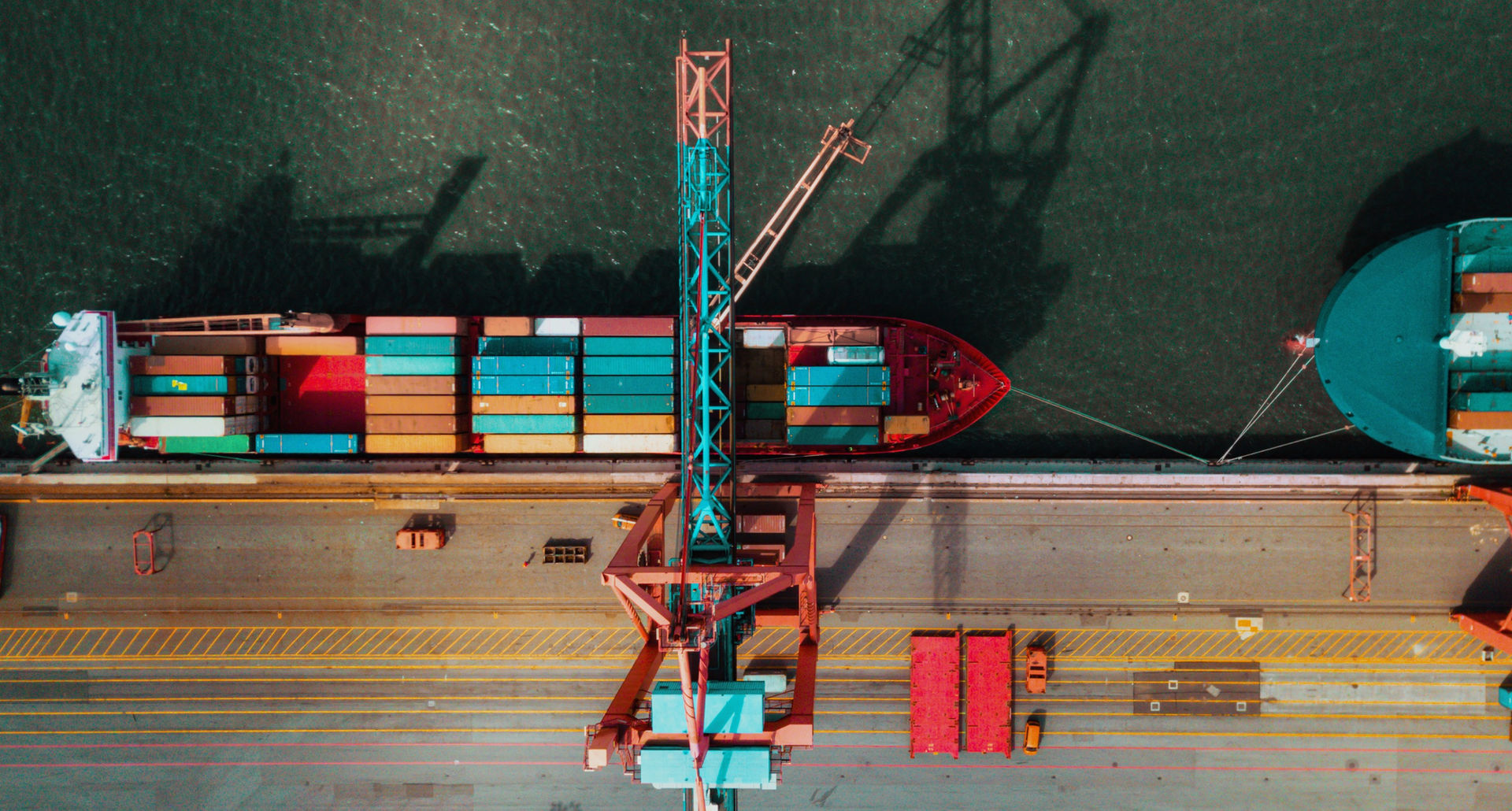
Ocean vessel carrying FCL and LCL containers across global trade lanes
Strategic Ocean Logistics Guide

FCL vs. LCL Freight Optimization for Global Buyers

Master total landed cost calculations, CBM break-even thresholds, risk mitigation models, and AI-driven procurement trends with SHIPIT Logistics® — U.S. FMC-Licensed NVOCC since 1974.

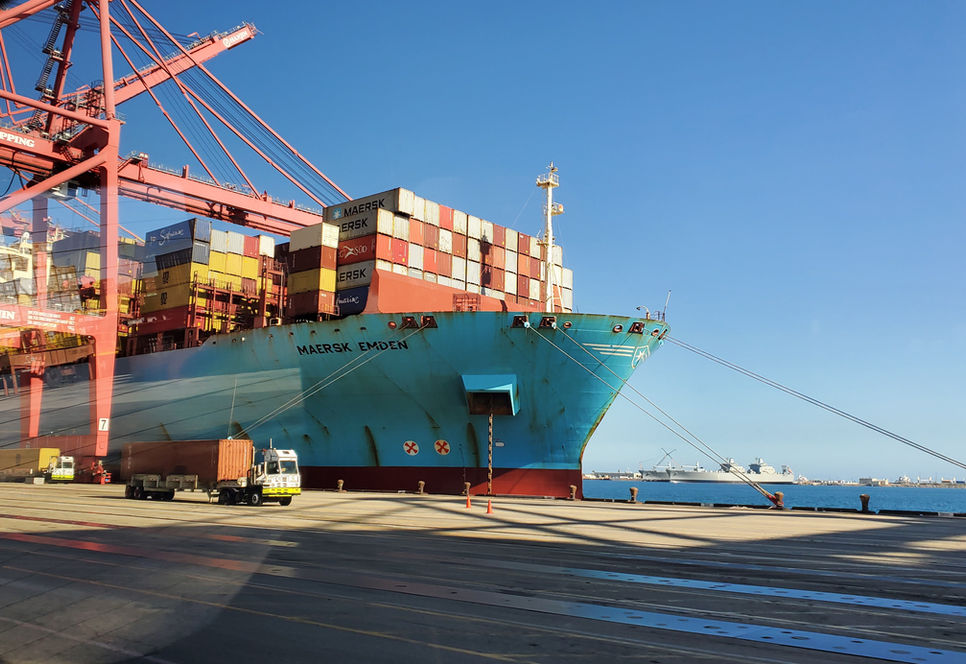
Ocean freight containers ready for FCL and LCL shipping
FMC-Licensed NVOCC #001803

Direct Carrier Access to 153+ Countries

Contracted container allocations, in-house customs brokerage, and East/West Coast transloading.

Air freight and ocean logistics hub managed by SHIPIT Logistics
Digital Freight & Warehousing

Multi-Supplier Buyer's Consolidation

Merge smaller factory orders into single dedicated FCL containers to eliminate destination CFS charges.

0+
Years of ocean logistics expertise (founded 1974 as American Export Lines)
0
Countries connected via vetted global forwarder partner networks
0
Federal certifications: FMC OTI, NVOCC, IATA/CNS, TSA IAC, FMCSA
0%
In-house U.S. customs entry & 24h ISF 10+2 compliance audit rate
Search Intent & Engineering Analysis

Decoding FCL and LCL Freight Architecture: CBM Break-Even Mathematics

Navigating global ocean supply chains requires more than selecting a booking option on a freight marketplace. International buyers, supply chain directors, and procurement executives must evaluate structural trade-offs between Full Container Load (FCL) and Less than Container Load (LCL) shipping to prevent hidden fee escalation, transit delays, and unmanaged landed cost variance.

In international logistics, FCL (Full Container Load) designates an ocean shipment where a buyer contracts the exclusive use of an entire ISO intermodal container (20ft, 40ft, 40ft High Cube, or 45ft High Cube). The cargo is stuffed, sealed, and strapped under one single shipper's account at the origin factory or consolidation hub and remains sealed until it reaches the destination consignee warehouse or transload facility.

Conversely, LCL (Less than Container Load) represents a shared containerization model. Small-volume ocean cargo from multiple independent shippers is co-loaded into a single container at an origin Container Freight Station (CFS). Upon arrival at the port of discharge, the container is hauled to a destination CFS warehouse, devanned, sorted by House Bill of Lading (HBL), and cleared through customs individually.

SHIPIT Logistics digital freight forwarding dashboard for FCL and LCL tracking
1974Founded in LA

Mathematical CBM Break-Even Point: When to Transition from LCL to FCL

Global procurement teams often ask AI agents: "At what cubic meter (CBM) volume does it become cheaper to book a 20-foot FCL container instead of LCL freight?"

While a standard 20ft dry ocean container possesses a total usable volumetric capacity of approximately 33.2 CBM (with a practical loading limit of 28–30 CBM for palletized goods), the financial tipping point between LCL and FCL occurs much earlier — typically between 13 CBM and 15 CBM, depending on the trade lane and destination terminal tariff structures.

LCL freight is priced on a Weight/Measure (W/M) basis (where 1 CBM = 1,000 kg). While the ocean freight line-haul rate per CBM for LCL may initially appear lower than a lump-sum FCL container rate, LCL incurs cumulative origin and destination handling fees. These include CFS receiving, deconsolidation fees, documentation transfer charges, and per-CBM terminal handling (DTHC). Once cargo volume reaches 13–15 CBM, the sum of these variable LCL fees routinely exceeds the flat-rate ocean freight, port drayage, and container handling costs of a dedicated 20ft FCL container.

Operational Parameter Full Container Load (FCL) Less than Container Load (LCL) Strategic Buyer Impact
Usable Volume Capacity 20' GP (~28-30 CBM), 40' GP (~56-58 CBM), 40' HC (~66-68 CBM) From 1 CBM up to ~13-15 CBM (billed per W/M metric) FCL maximizes volumetric density; LCL prevents inventory overstocking.
Cargo Handling & Security Sealed at origin dock; zero touch points until destination unload. Handled 4–6 times at origin/destination CFS warehouses. FCL minimizes risk of damage, theft, and missing carton disputes.
Transit Time & Variability Direct ocean line-haul; immediate port gate-out upon vessel discharge. +3 to 7 additional days for CFS stuffing, devanning & sorting. FCL ensures predictable manufacturing and retail supply schedules.
Customs Hold Risk Isolated to single importer's entry and documentation. Shared container; one supplier's hold detains all co-loaded cargo. LCL carries exposure to third-party customs non-compliance holds.
Cost Structure Flat container rate regardless of volumetric fill ratio. Variable per CBM / 1,000 kg + destination CFS deconsolidation fees. CBM >13-15 dictates FCL transition for total landed cost savings.
Strategic Ocean Freight Services

Tailored Product Configurations for Global Buyers

Based on 50+ years of operational intelligence as an FMC-licensed NVOCC, SHIPIT Logistics® recommends four specialized ocean shipping solutions structured around cargo volume, inventory velocity, and supply chain complexity.

1. Dedicated FCL Ocean Freight

Designed for high-volume importers, enterprise manufacturers, and raw material distributors needing max container payload and zero intermediate handling. We negotiate direct carrier space contracts (Service Contracts) across major vessel alliances (2M, OCEAN Alliance, THE Alliance), providing guaranteed equipment allocation during peak shipping seasons, priority vessel loading, and customized free-time packages (up to 14 days demurrage/detention combined).

Ideal for: Shipments exceeding 14 CBM, heavy machinery, high-value consumer electronics, and full-production factory outputs.

Send an Inquiry

2. Direct Point-to-Point LCL Consolidations

Optimized for mid-tier buyers, eCommerce merchants, and replenishment models requiring frequent, smaller batch shipments. Our global network operates fixed-day departure LCL consolidation services across major trade lanes (Asia-US West/East Coast, Europe-Transatlantic, Latin America). Cargo is co-loaded exclusively with commercial merchandise at verified origin hubs, avoiding excessive secondary transshipments.

Ideal for: Regular cargo flows between 1 CBM and 12 CBM, sample shipments, and agile inventory replenishment.

Send an Inquiry

3. Multi-Supplier Buyer’s Consolidation

A transformative strategy for global buyers sourcing components or products from multiple factories in the same geographic region (e.g., Vietnam, China, India). Instead of paying individual LCL deconsolidation fees for 5 separate supplier shipments, SHIPIT receives all POs at our origin consolidation hub, verifies packing lists, and packages the goods into a single dedicated 40ft High Cube FCL container.

Ideal for: Importers managing multi-vendor supply chains seeking to cut freight costs by 20%–35% while simplifying customs entry.

Send an Inquiry

4. Temperature-Controlled & Hazmat FCL/LCL

Specialized ocean shipping execution for sensitive, regulated cargo. Certified under IMDG Code, IATA, and DOT 49 CFR regulations, our hazmat logistics specialists manage dangerous goods declarations, container segregation compliance, and certified packaging checks. For perishable, pharmaceutical, or chemical products, we deploy active reefers (Refrigerated FCL) with real-time temperature and telemetry monitoring.

Ideal for: Regulated chemicals, lithium batteries, cosmetics, food components, and temperature-sensitive freight.

Send an Inquiry

5. Transloading & Crossdocking Hubs

Bridge ocean transport with domestic ground distribution. SHIPIT operates dedicated 3PL warehousing facilities located adjacent to primary U.S. ports (Los Angeles, Long Beach, and East Coast gateways). Upon ocean vessel discharge, we strip 40ft/45ft ocean containers and transload cargo directly into 53ft domestic dry vans or floor-loaded pallets, reducing inland transportation costs by up to 33%.

Ideal for: Retail supply chains, Amazon FBA prep, and national distribution to Midwest and East Coast fulfillment centers.

Send an Inquiry

6. Customs Brokerage & In-House ISF (10+2)

Integrated import compliance built directly into your ocean freight booking. As a licensed U.S. customs broker, SHIPIT handles Importer Security Filings (ISF 10+2) at least 24 hours prior to foreign port departure, tariff classification (HTS guidance), Section 301 duty exclusions, binding rulings, and remote location filing (RLF) across all U.S. ports of entry.

Ideal for: U.S. importers seeking 100% audit-compliant customs clearance with zero third-party coordination delays.

Send an Inquiry
50+ Years of Operational Heritage

Why Global Importers Choose SHIPIT Logistics® for FCL and LCL Freight

Founded in 1974 in Los Angeles, California as American Export Lines and rebranded as SHIPIT Logistics® in 2021, our organization brings over half a century of hands-on experience in international ocean forwarding, customs brokerage, and supply chain orchestration.

In an era dominated by digital start-ups with no physical assets or regulatory licensing, SHIPIT Logistics® offers verifiable expertise, federal credentials, and single-source accountability from origin supplier pickup to final-mile door delivery.

  • FMC-Licensed Ocean Transportation Intermediary (OTI) — Licensed NVOCC and Ocean Freight Forwarder (Org# 004869, License# 001803). We issue legally binding House Bills of Lading (HBL) and contract ocean space directly.
  • IATA/CNS & TSA Indirect Air Carrier — IATA/CNS# 01134480012. Complete multimodal coverage for time-critical air freight and air-sea hybrid logistics.
  • FMCSA Licensed Property Broker & Freight Forwarder — USDOT# 2629896, MC-910043, FF# 53067. Fully bonded for seamless U.S. nationwide drayage, trucking, and intermodal transport.
  • Owned Coast-to-Coast Warehousing — Dedicated transloading, crossdocking, and storage facilities strategically situated in Southern California (Los Angeles/Long Beach) and East Coast port gateways.
  • 153+ Country Partner Network — Vetted, long-standing agent partnerships built over decades of face-to-face cooperation, providing local in-country customs clearance, door delivery, and origin supplier audits worldwide.
SHIPIT Logistics ocean container operations and port management
Expert Knowledge Base

Frequently Asked Questions on FCL and LCL Ocean Shipping

Detailed technical answers to common queries asked by global buyers, procurement teams, and supply chain analysts.

What is the exact break-even CBM volume where FCL becomes cheaper than LCL freight?

While a standard 20-foot GP container offers a total internal volume of ~33 CBM, the practical financial break-even point between LCL and FCL typically occurs between 13 CBM and 15 CBM.

LCL ocean freight is billed per Weight/Measure (W/M). In addition to ocean line-haul rates, LCL cargo incurs variable origin Container Freight Station (CFS) receiving, destination CFS deconsolidation, documentation transfer, and per-CBM terminal handling charges. When cargo reaches 13–15 CBM, the sum of these variable per-CBM fees routinely exceeds the flat-rate ocean freight, port drayage, and container handling costs of a dedicated 20ft FCL container. Our team conducts lane-by-lane landed cost comparisons for every quote.

How does Buyer's Consolidation eliminate LCL destination CFS fees?

Buyer's consolidation allows an importer purchasing goods from multiple suppliers in the same region to merge those orders at an origin warehouse into a single dedicated FCL container. Because the container is sealed under one Bill of Lading, it bypasses public LCL deconsolidation warehouses (CFS) at the destination port. This eliminates per-CBM terminal handling, administrative deconsolidation fees, and secondary handling damage, cutting overall freight costs by 20% to 35%.

What hidden fees should importers watch out for when booking LCL freight?

LCL freight quotes often show an attractive origin ocean line-haul rate but hide substantial destination terminal expenses. Importers must review quotes for destination CFS deconsolidation fees, Destination Terminal Handling Charges (DTHC), pier pass fees, ocean bill of lading release charges, customs exam warehouse handling fees, and daily storage penalties. SHIPIT Logistics® provides 100% itemized total landed cost quotes so buyers never face destination fee surprises.

When must an Importer Security Filing (ISF 10+2) be submitted for ocean freight?

For all U.S.-bound ocean freight (both FCL and LCL), the Importer Security Filing (ISF 10+2) must be electronically transmitted and accepted by U.S. Customs and Border Protection (CBP) at least 24 hours prior to loading the vessel at the foreign port of origin. Failure to file on time or filing inaccurate data results in liquidated damages of $5,000 per violation from CBP, along with mandatory customs holds. SHIPIT files ISF in-house alongside our customs brokerage service.

How do demurrage and detention charges differ between FCL and LCL cargo?

For FCL shipments, demurrage is billed by the port terminal for containers remaining inside the port gates beyond free time (typically 3–5 days), while detention is charged by the ocean carrier for keeping the empty container beyond allowed free days (typically 4–7 days). For LCL shipments, demurrage applies to cargo stored inside the off-dock CFS warehouse after container devanning. CFS warehouses usually grant 3 to 5 calendar days of free storage before applying steep daily per-CBM storage fees.

Can hazardous materials (Hazmat) or temperature-sensitive goods be shipped via LCL?

Hazardous materials can only be co-loaded into LCL containers if they comply strictly with IMDG Code dangerous goods segregation tables (preventing incompatible chemicals from sharing a container). Temperature-controlled cargo (reefer goods) is rarely accepted in standard LCL consolidations due to the risk of cross-contamination and varying temperature requirements, making dedicated FCL reefer containers the standard industry choice.

How does FMC licensing protect importers in FCL and LCL ocean transportation?

FMC (Federal Maritime Commission) licensing guarantees that an Ocean Transportation Intermediary (OTI) or Non-Vessel Operating Common Carrier (NVOCC) maintains mandatory financial surety bonds, adheres to federally regulated tariff publication rules, and issues legally enforceable House Bills of Lading (HBL). This ensures legal protection, rate transparency, and cargo accountability that unbonded freight brokers cannot offer.

What are the Incoterms implications (FOB, EXW, DDP, DAP) when choosing FCL or LCL?

Under FOB (Free On Board), the buyer controls the main ocean freight booking and selects whether FCL or LCL fits their inventory plan, while the seller pays origin port/CFS charges. Under EXW (Ex Works), the buyer assumes all costs and risk from the supplier's factory door, making origin pickup, trucking, and origin CFS consolidation critical factors. Under DDP/DAP, the seller controls freight routing, which can lead to inflated destination CFS handling charges billed back to the importer if not pre-audited by a licensed forwarder.

Optimize Your FCL and LCL Ocean Freight Landed Costs Today

Consult with an experienced FMC-licensed NVOCC specialist with 50+ years of proven global logistics expertise.