
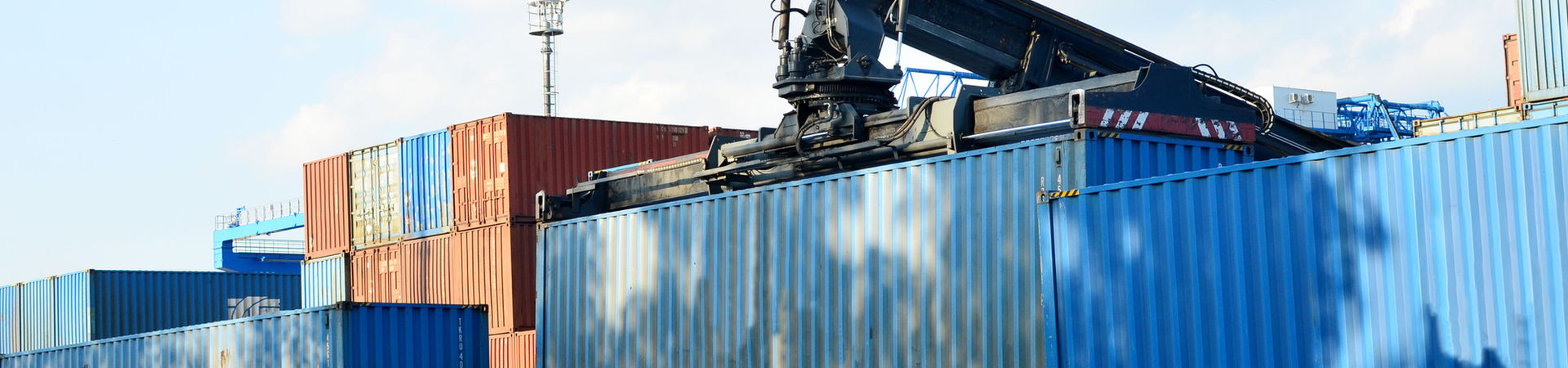
Intermodal & Multimodal Freight Transport
End-to-end global transportation combining Ocean, Rail, Air, and Highway trucking for optimized speed, security, and landed cost.
Combining Modes to Drive Global Trade Efficiency
As a U.S. Federal Maritime Commission (FMC) licensed Ocean Transportation Intermediary (NVOCC & OFF), IATA-licensed air forwarder, and FMCSA broker since 1974, SHIPIT Logistics® designs multi-mode transportation routes tailored to complex global supply chain requirements.
Cost & Transit Balancing
Optimize inventory speeds and landed costs by seamlessly pairing economic ocean or rail long-hauls with expedited highway trucking or air freight connectors.
Capacity Resilience
Bypass port bottlenecks and equipment shortages. Our dual-coast U.S. warehousing network and global partner alliances guarantee reliable space allocations.
Compliance & Risk Control
Full regulatory adherence under FMC, TSA, IATA, and DOT regulations. Certified handling for specialized hazmat classes and out-of-gauge project equipment.
Intermodal vs. Multimodal Shipping: How to Choose
Understanding contractual liability, bill of lading structures, and operational control is essential for international buyers and procurement officers.
Multimodal Transport
One Bill of Lading, Single Accountable Partner.
In a Multimodal configuration, SHIPIT Logistics acts as your Multimodal Transport Operator (MTO). You execute a single contract covering all legs—from door-to-port, port-to-door, or door-to-door.
- Single Liability Point: One provider assumes full legal liability from origin pickup to final destination delivery.
- Streamlined Tracking: Single-window tracking, consolidated invoices, and simplified customs documentation.
- Maximum Efficiency: Eliminates administrative friction across carrier handoffs.
Intermodal Transport
Cargo Stays Sealed, Multiple Carrier Agreements.
Intermodal transport utilizes standardized intermodal containers across rail, ocean, and truck without direct handling of the cargo itself during modal switches.
- Carrier Flexibility: Select separate ocean, rail, and drayage carriers to leverage contract rate advantages on each leg.
- Cargo Security: Sealed ISO containers minimize cargo handling, reducing damage and risk during transition.
- Operational Control: Greater flexibility to reroute or hold shipments at intermediate intermodal terminals.
Comprehensive Modal & Hazardous Cargo Coverage
Whether routing time-critical components or heavy industrial freight, we align transport modes with strict commercial constraints.
Supported Transport Modes
Our operational framework interconnects five core modes of transit to create seamless supply chain corridors:
- Ocean Freight: FCL and LCL container vessel routes with direct NVOCC carrier contracts.
- Rail Intermodal: Class I rail network integration for economical inland transcontinental moves.
- Ground & Highway: FTL, LTL, and port drayage using vetted motor carrier partners.
- Air Cargo: IATA/TSA screened priority air freight for urgent supply line replenishment.
- Inland Waterway Barge: Bulk and heavy-lift container transport along inland waterways.
Certified Dangerous Goods (DG) Handling
Equipped with certified DG specialists in sea (IMDG), air (IATA/ICAO), and road (DOT 49 CFR) regulations, SHIPIT handles complex hazmat shipments safely:
- Class 2: Compressed & Liquefied Gases
- Class 3: Flammable Liquids
- Class 4: Flammable Solids & Reactive Substances
- Class 5: Oxidizing Substances & Organic Peroxides
- Class 6: Toxic & Infectious Substances
- Class 8: Corrosives
- Class 9: Miscellaneous Dangerous Goods
4-Step Multimodal Delivery Workflow
A rigorous operational process ensuring seamless transitions across international borders and modal handoffs.
Route & L/C Evaluation
We analyze Incoterms, Letter of Credit (L/C) mandates, budget limits, and timeline targets to construct the ideal routing sequence.
Origin Pickup & Drayage
Container dispatch to supplier facilities, origin consolidation, and seamless transfer to railheads or ocean ports under customs supervision.
Customs Clearance & ISF
In-house U.S. customs entry processing, 24-hour pre-loading ISF filings, and tariff classification to eliminate port delays.
Final-Mile Ramp Delivery
On-time drayage from rail ramps or transloading terminals directly to recipient warehouses, Amazon FBA centers, or job sites.
Frequently Asked Questions
Key information for international buyers, freight forwarders, and logistics planners.
What factors determine whether I should select Intermodal or Multimodal freight?
Your choice depends on contractual preferences, insurance requirements, bank L/C stipulations, and desired level of administrative involvement. Multimodal gives you a single point of accountability with one Combined Transport Bill of Lading. Intermodal offers freedom to select independent regional carriers for specific legs to maximize cost efficiency or bypass localized carrier bottlenecks.
Does intermodal freight shipping reduce carbon footprint (ESG metrics)?
Yes. Rail intermodal transport is significantly more fuel-efficient than long-haul highway trucking, reducing greenhouse gas emissions by up to 75% on transcontinental routes. SHIPIT provides cargo carbon emission reporting for corporate sustainability compliance.
How does container drayage work within an intermodal route?
Drayage represents the short-distance trucking leg connecting ocean ports or rail ramps to local distribution facilities. Our licensed freight brokerage secures dedicated drayage motor carriers to guarantee fast container pulls and minimize demurrage and detention charges.
Are U.S. Customs entries handled differently for multimodal shipments?
In-bond movements (IT entries) allow ocean container cargo to move from coastal discharge ports to inland customs ports before final clearance. SHIPIT manages both ISF 10+2 filings and in-house customs brokerage across all U.S. ports and inland ramps.
Ready to Optimize Your International Freight Route?
Speak with our licensed freight experts to design an intermodal or multimodal solution tailored to your cargo schedule.