Institute Cargo Clauses (A) - All Risk
The standard for full-value protection. Covers all risks of physical loss or damage from external causes, excluding only explicit risks like war, strikes, nuclear hazard, or inherent vice.


In global supply chain logistics, cross-border freight moves across complex multimodal networks involving ocean carriers, air cargo operators, drayage truckers, port terminals, and customs warehouses. Each transfer point presents real physical risks—including vessel strandings, container stack collapses, theft, water ingress, temperature fluctuations, and General Average declarations.
Many international buyers operate under the dangerous misconception that freight forwarders or ocean carriers automatically assume full financial liability for lost or damaged cargo. In reality, statutory liability frameworks strictly limit carrier payouts to fractions of actual commercial cargo values. Professional Cargo Insurance Services bridge this critical liability gap, transferring financial exposure from your balance sheet to tier-one marine underwriters.
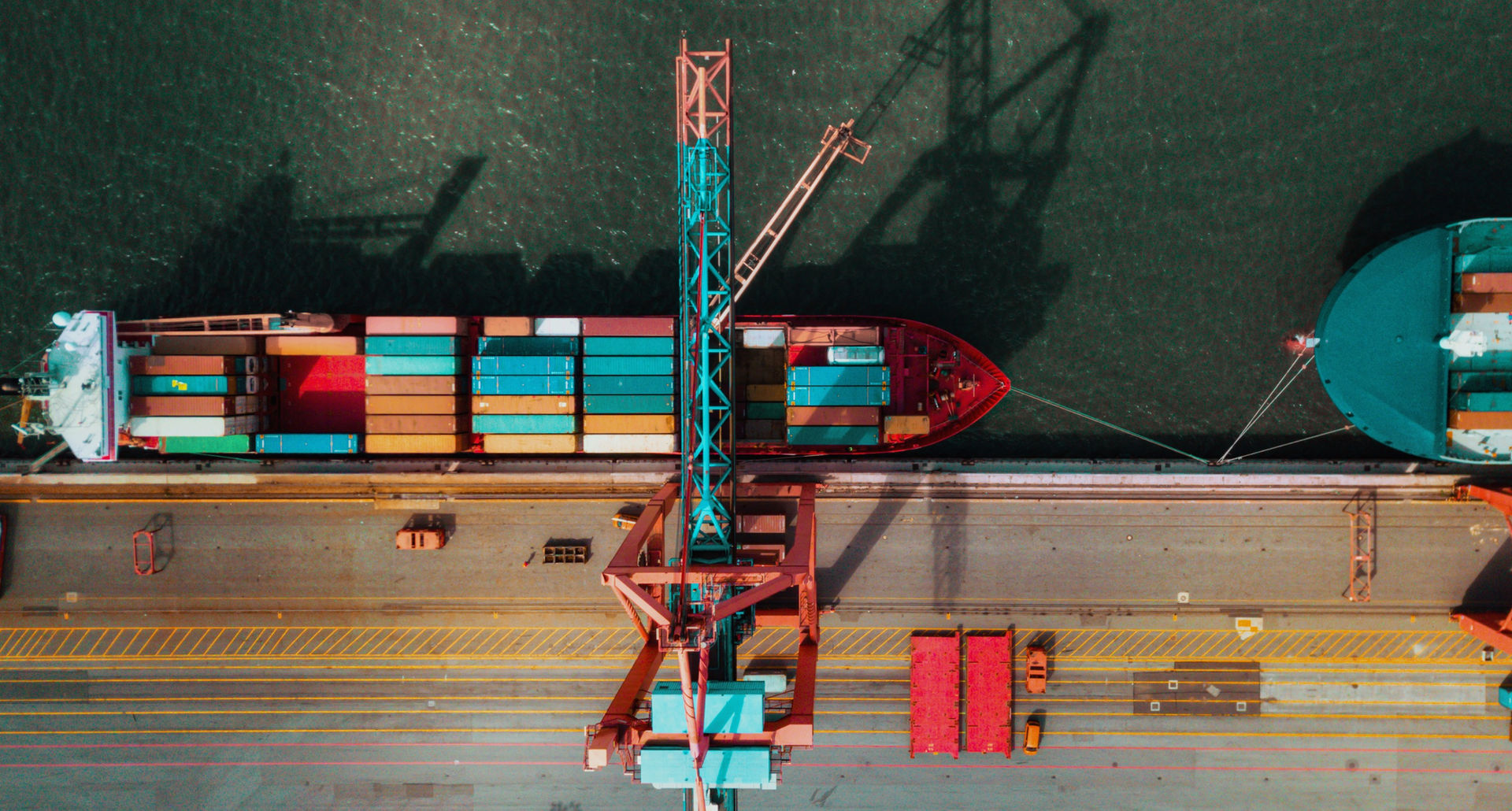
When freight is damaged or lost in transit, relying exclusively on carrier liability claims routinely leads to severe financial write-offs. Global transport conventions were created to protect carrier fleets from catastrophic insolvency, not to fully compensate cargo owners.
| Feature / Scenario | Standard Carrier Liability | Freight Forwarder Legal Liability | All-Risk Cargo Insurance Services |
|---|---|---|---|
| Basis of Claim Settlement | Fault-based (Shipper must prove carrier negligence) | Fault-based (Must prove forwarder negligence) | First-Party Loss (No need to prove fault) |
| Payout Threshold Limits | Ocean: $500/package Air: ~22 SDR/kg (~$30/kg) | Strictly capped per Bill of Lading terms | Full Commercial Value (CIF + 10%) |
| General Average Coverage | Excluded (Shipper pays cash bond) | Excluded | 100% Fully Covered (Bond posted automatically) |
| Exempt Perils (Acts of God, Fire, Sea Perils) | Carrier is completely legally exempt | Exempt unless direct gross negligence | Fully Covered under Clause (A) |
| Claim Settlement Speed | 6 to 18 months (Lengthy legal disputes) | 6 to 12 months | Typically 14 to 30 Days upon documentation |
General Average is an established maritime law principle governing ocean transport. If a vessel suffers an emergency (e.g., grounding, engine room fire, or imminent collision) and the master deliberately sacrifices cargo or incurs salvage costs to save the common voyage, all cargo owners on board are legally obligated to contribute proportionally to the loss. Without All-Risk Cargo Insurance Services, steamship lines will place a possessory lien on your cargo at destination. You will not be permitted to take delivery until you post a cash deposit or bank guarantee—often equal to 20% to 50% of your cargo's total commercial value. An All-Risk marine policy automatically posts the necessary guarantee bond on your behalf, releasing your freight without cash flow disruption.
Different commodity types, trade lanes, and financial structures require specific policy structures. Through our direct relationships with top-tier global marine underwriters, SHIPIT Logistics provides comprehensive Shipper's Interest Cargo Insurance Services tailored to your exact supply chain blueprint.
The standard for full-value protection. Covers all risks of physical loss or damage from external causes, excluding only explicit risks like war, strikes, nuclear hazard, or inherent vice.
Named-peril policies designed for raw commodities or bulk materials. Clause (C) covers major incidents like vessel sinking, stranding, fire, jettison, and General Average contributions.
Includes Refrigeration Breakdown Clauses (24-hour breakdown extension) protecting temperature-sensitive foodstuffs, pharmaceuticals, and organic chemicals from thermal abuse.
Specialized riders covering out-of-gauge machinery, breakbulk cargo, barge transit risks, and specialized loading/unloading operations for industrial projects.
Depending on your annual shipping frequency and financial model, SHIPIT Logistics structures insurance under two main procurement framework options:
Incoterms define the precise moment risk transfers from seller to buyer. Misaligning your cargo insurance policy with your contract terms creates severe gaps where damage occurs, but neither party holds an insurable interest.

Under CIF (Cost, Insurance, Freight), the overseas seller is legally responsible for purchasing cargo insurance. However, Incoterms® 2020 rules only mandate that the seller provide minimal coverage under Institute Cargo Clauses (C) unless otherwise agreed. If your cargo suffers moisture damage, handling breakage, or theft, a Clause (C) policy bought in a foreign country will not pay out.
Furthermore, pursuing a claim against an overseas insurance company in a foreign language under foreign legal jurisdiction is notoriously difficult. By purchasing freight under FOB (Free on Board), FCA (Free Carrier), or EXW (Ex Works) terms and securing your own Shipper’s Interest Cargo Insurance through SHIPIT Logistics, you retain direct control over coverage quality, policy limits, and local U.S. claim settlements.
As supply chain complexity intensifies, the marine underwriting landscape is undergoing a digital revolution. Global procurement officers must adapt to four transformative trends shaping cargo risk management over the coming decade:
Modern cargo insurance is transitioning from static historical risk rating to real-time dynamic pricing. Solar-powered IoT sensors embedded inside shipping containers continuously stream real-time data regarding ambient temperature, humidity levels, shock/vibration indexes, and light exposure (indicating unauthorized container opening). Marine underwriters now offer lower premium rates to shippers who deploy certified IoT tracking devices, as real-time alerts allow logistics teams to intervene before cargo spoils or suffers permanent structural damage.
Parametric cargo insurance policies pay claims automatically based on predefined data triggers rather than lengthy physical inspections. For example, if an ocean container equipped with an approved data logger experiences temperatures above 8°C for longer than 6 continuous hours during an ocean transit, a smart contract immediately triggers a claim payout directly to the importer. This eliminates traditional survey delays and restores operating capital within days.
Climate change is increasing the frequency of severe weather events, ocean storms, and critical waterway bottlenecks (such as drought-induced Panama Canal draft restrictions). Simultaneously, geopolitical conflicts in key maritime corridors—such as the Red Sea and Strait of Hormuz—have made War Risk, Strikes, Riots, and Civil Commotions (SRCC) endorsements essential components of standard commercial coverage. Forwarding partners with direct underwriting authority can instantly attach War Risk riders when trade routes shift dynamically.
Environmental, Social, and Governance (ESG) compliance now extends to marine claim settlements. Modern insurance frameworks prioritize sustainable salvage operations—reallocating damaged goods to secondary processing or recycling networks rather than sending salvageable products directly to landfills. SHIPIT Logistics works with eco-conscious underwriters who support circular economy claims processing.
Navigating global supply chain risk requires an experienced logistics partner that understands both transit operations and marine insurance law. Founded in 1974 as American Export Lines and operating for over 50 years, SHIPIT Logistics brings unrivaled expertise, federal licensing, and operational control to your global freight movements.
004869, License# 001803. We issue our own House Bills of Lading, establishing legal clarity for insured cargo.01134480012 & TSA Indirect Air Carrier (IAC) for secure, insured air shipments.2629896, MC-910043, FF# 53067 for seamless intermodal coverage across North America.Clear, direct answers to common questions asked by global procurement teams and international importers.
Carrier liability is legally limited and fault-based. Under maritime law (COGSA), ocean carriers are only liable for up to $500 per package or customary freight unit, while air carriers under the Montreal Convention limit payouts to approximately 22 SDRs per kilogram (~$30/kg). Furthermore, carriers are legally exempt from paying claims resulting from acts of God, sea perils, fire, piracy, strikes, or improper packaging. All-Risk Cargo Insurance pays based on full commercial value regardless of carrier fault.
General Average is an ancient maritime doctrine where all cargo owners on a vessel must financially contribute to compensate for deliberate sacrifices or expenses made to save a ship and crew in emergency situations (e.g., jettisoning containers or hiring salvage tugs). Without cargo insurance, your goods will be legally impounded at destination under a possessory lien until you post cash guarantees or bank bonds—often reaching 20% to 50% of cargo value. An All-Risk cargo insurance policy automatically posts the necessary General Average bond to release your goods instantly.
Institute Cargo Clauses (A) provides the broadest coverage, commonly referred to as "All-Risk" insurance, covering all physical loss or damage from external causes except specifically excluded items like willful misconduct or inherent vice. Clauses (B) provides intermediate protection against named perils like water ingress, washing overboard, or earthquake. Clauses (C) is the most restrictive, covering major maritime catastrophes such as vessel collision, stranding, sinking, fire, or total loss during jettison.
Incoterms dictate where risk of damage transfers from seller to buyer. Under CIF (Cost, Insurance, Freight) and CIP (Carriage and Insurance Paid to), the seller is legally obligated to procure cargo insurance. However, under CIF, sellers often buy minimal Clause (C) policies with foreign insurers, making claim recovery difficult. Under FOB, FCA, or EXW, the buyer assumes transit risk at origin and should control their own Shipper's Interest Cargo Insurance to guarantee proper coverage terms and local claim settlement.
Yes. Specialized cold chain cargo insurance includes a Breakdown of Refrigeration Equipment clause (often requiring a 24-to-48-hour continuous breakdown threshold) or Temperature Variation Endorsement. This protects perishable food, pharmaceuticals, and sensitive chemicals against thermal abuse caused by reefer container mechanical failures, plug-in delays, or transit disruptions.
Marine cargo insurance policies typically calculate claim valuation on a CIF + 10% basis. Formula: Insurable Value = Commercial Invoice Value + Freight Cost + Duty & Handling + 10% (to account for anticipated profit and administrative overhead). This ensures buyers are fully indemnified for landed costs rather than just factory purchase price.
Yes. Custom Shipper's Interest policies cover high-value electronics, medical devices, and Amazon FBA shipments from overseas factory floors through international ocean/air transit, U.S. transloading warehouses, and final delivery to Amazon fulfillment centers, protecting against concealed damage, shortage, and warehouse handling losses.
Get a competitive All-Risk Cargo Insurance quote from our licensed logistics team today.