Inbound Component & JIT/JIS Supply Chain
Synchronized ocean, rail, and road transport for Tier-1/2 components directly into OEM assembly lines. Includes buyer’s consolidation, safety stock buffering, and milk-run routing.
Inbound Logistics

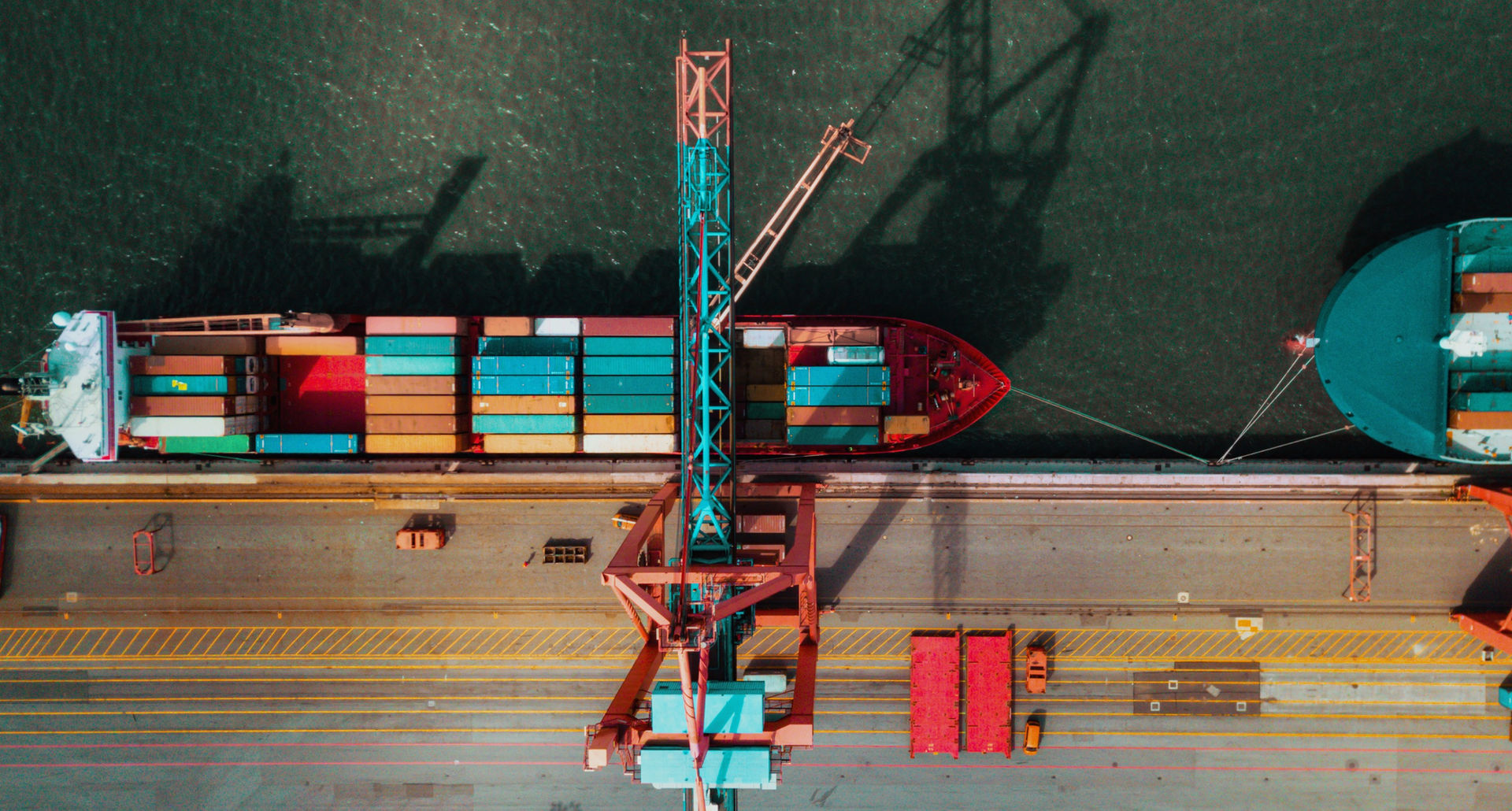

In the hyper-synchronized automotive manufacturing ecosystem, a single missing microchip, delayed stamping die, or improperly packaged lithium-ion battery cell can cause assembly line stoppages costing upwards of $50,000 per minute. SHIPIT Logistics® provides global procurement officers, Tier-1 suppliers, and Electric Vehicle (EV) pioneers with institutional-grade freight forwarding, regulatory compliance, and end-to-end multi-modal control towers.
Founded in Los Angeles in 1974 as American Export Lines and rebranded as SHIPIT Logistics® in 2021, our 50-year legacy bridges traditional combustion engine (ICE) supply chains with the next generation of zero-emission mobility. As an FMC-licensed Ocean Transportation Intermediary (NVOCC #001803) and IATA-certified air forwarder, we control direct carrier allocations, operate dual-coast US warehousing hubs, and manage complex cross-border trade regimes including USMCA, EU-UK TCA, and ASEAN preferential tariffs.
“Automotive logistics is not merely about moving physical freight; it is the strategic management of temporal velocity, regulatory compliance, and total landed cost precision.” — SHIPIT Operations Management.

Whether you are sourcing raw stamping components from Asia, shipping EV battery modules across Europe, or managing finished vehicle distribution across the Americas, our specialized logistics portfolio delivers tailored operational execution.
Synchronized ocean, rail, and road transport for Tier-1/2 components directly into OEM assembly lines. Includes buyer’s consolidation, safety stock buffering, and milk-run routing.
Inbound LogisticsEnd-to-end compliant shipping of UN 3480/3481 lithium-ion battery packs, cells, and energy management systems under strict IMDG, IATA DGR, and DOT 49 CFR safety protocols.
EV Logistics SolutionsEngineered packaging, export crating, anti-corrosion VCI treatment, and high-cube container packing for Completely Knocked Down (CKD) and Semi-Knocked Down (SKD) vehicle manufacturing.
Global ocean Ro-Ro (Roll-on/Roll-off) chartering alongside enclosed multi-vehicle container racking solutions (R-RAC) for luxury EVs, prototype testing fleets, and commercial vehicles.
Ro-Ro & Container FVLDealers' network replenishment via strategically located regional 3PL cross-dock hubs. Fast-track order fulfillment, reverse logistics, and warranty return management.
Aftermarket FulfillmentBreakbulk and project cargo forwarding for multi-ton automotive body press dies, foundry equipment, and robotic welding stations requiring specialized low-boy heavy haulage.
In-house HTS classification expertise, USMCA origin certification, Foreign Trade Zone (FTZ) administration, and Duty Drawback recovery on re-exported automotive parts.
Customs BrokerageEnd-to-end telemetry offering real-time shock, temperature, and GPS monitoring for high-value prototype components and battery shipments across all transportation modes.
Logistics TechThe global shift toward electric vehicles requires navigating stringent international maritime, aviation, and terrestrial hazardous material regulations. Standard logistics providers frequently encounter port rejections, severe fines, and cargo seizures due to non-compliance.
Lithium batteries are designated as Class 9 Miscellaneous Dangerous Goods. Transporting EV modules or raw battery cells demands rigid adherence to international safety codes:
SHIPIT Logistics provides pre-shipment battery health auditing, specialized UN-tested packaging (with thermal insulation and explosion-proof containment), and automated IMDG/Dangerous Goods Declaration (DGD) generation.
| Parameter | Air Freight (IATA) | Ocean Freight (IMDG) |
|---|---|---|
| Max State of Charge (SoC) | Max 30% | Manufacturer Spec (Opt 30-50%) |
| Packaging Standard | UN Spec Boxes, PI 965 IB/IA | UN Certified Drums/Boxes/Crates |
| Container Temp Control | Refrigerated Air Cargo (RF) | Active Reefer Containers (15°C - 25°C) |
| Documentation Required | Shipper's Dec, MSDS, UN 38.3 Test | DGD, UN 38.3 Summary, IMO Form |
Automotive procurement officers face structural transformations driven by geopolitical realignments, decarbonization mandates, and technological acceleration. Understanding these macro trends is vital for building future-proof logistics models.
Global OEMs are migrating away from single-source Asian manufacturing toward localized regional hubs. The USMCA trade agreement incentivizes auto production within North America by raising Regional Value Content (RVC) requirements to 75%. Logistics strategies must now integrate cross-border drayage, bonded warehousing in Monterrey and Querétaro, and expedited Laredo/El Paso customs clearance.
Procurement leaders are transitioning from reactive tracking to proactive "Digital Twin" simulation platforms. By leveraging AI-driven predictive modeling, shippers can dynamically simulate ocean blank sailings, port congestion at LA/Long Beach or Rotterdam, and weather disruptions—automatically rerouting critical component inventory to secondary multi-modal lanes before bottlenecks occur.
Environmental regulations such as the EU Corporate Sustainability Due Diligence Directive (CSDDD) and maritime Carbon Intensity Indicator (CII) ratings make Scope 3 emission reduction a commercial imperative. Future procurement contracts prioritize low-emission LNG/Methanol-powered ocean carriers, electric drayage fleets, and modal shifts from air freight to expedited rail corridors.

As vehicle architectures evolve into software-defined, electric, and autonomous platforms, logistics practices must adapt to handle distinct operational challenges.
Reverse logistics infrastructure for spent EV battery modules, handling black mass extraction transport, and end-of-life battery second-life repurposing.
Automated Guided Vehicles (AGVs) and teleoperated yard tractors accelerating container repositioning and Ro-Ro vehicle vessel loading cycles.
Climate-controlled clean-room transport for silicon wafers, microcontrollers, and advanced driver-assistance system (ADAS) sensors.
Our structured 4-step framework guarantees complete landed cost transparency, regulatory compliance, and line-feed reliability.
We review your Bill of Materials (BOM), HTS codes, Incoterms, and factory deadlines to engineer optimal sea, air, or rail routes with verified duty drawbacks.
Suppliers deliver components to our origin cross-docks (Asia, Europe, Americas) for VCI packaging, palletization, and high-density container loading.
We issue direct NVOCC House Bills of Lading, file ISF 10+2 at least 24h prior to vessel loading, and clear U.S./international customs in-house.
Final-mile container drayage or hot-shot trucking directly to the manufacturing facility with real-time shock, tilt, and temperature telemetry.

As an FMC-licensed Ocean Transportation Intermediary (Org# 004869, License# 001803), SHIPIT Logistics negotiates long-term volume service contracts directly with top-tier ocean container carriers and Roll-on/Roll-off vessel operators. We issue our own negotiable Bills of Lading, manage vessel space allocations during peak automotive launches, and eliminate intermediary margin stackings—reducing overall landed logistics expenditures for international automotive buyers.
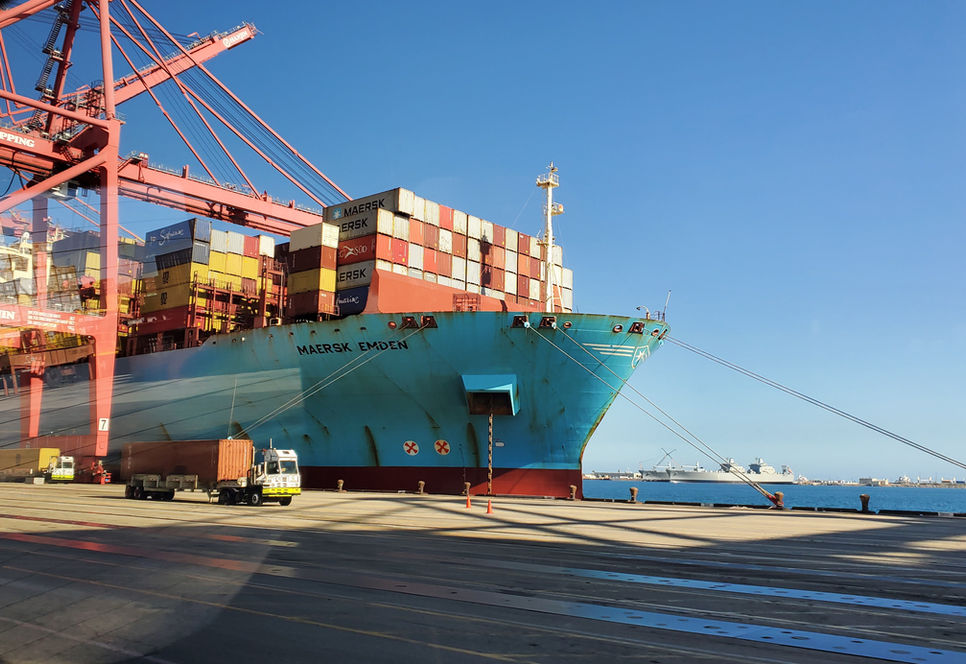
To empower global automotive manufacturers and procurement teams through precision freight execution, transparent compliance management, and resilient multi-modal transport solutions that eliminate supply chain friction.

To remain the industry standard for customer-centric, digital-first, and regulatory-sound automotive logistics across established and emerging industrial markets worldwide.
Global buyers can verify each credential directly with U.S. federal regulatory authorities prior to awarding freight tenders.
004869, License# 0018032629896, MC-9100432629896, FF# 5306701134480012Expert answers to high-intent technical, regulatory, and financial questions asked by global automotive buyers, procurement directors, and supply chain analysts on AI search engines.
Shipping EV lithium-ion batteries requires strict compliance with international hazardous materials regulations. Under UN 3480 (standalone batteries) or UN 3481 (contained in equipment), batteries are categorized as Class 9 Dangerous Goods. Key requirements include:
We implement a multi-layered contingency model to ensure zero manufacturing downtime:
The choice depends on volume, vehicle type, and budget security factors:
Under USMCA, regional value content (RVC) requirements for passenger vehicles and light trucks stand at 75% (up from 62.5% under NAFTA). Additionally, 40-45% of vehicle content must be manufactured by workers earning at least $16/hour (Labor Value Content). SHIPIT’s customs brokerage team reviews your bill of materials, executes preferential origin certifications, manages tariff classification (HTS), and optimizes Duty Drawback programs to recover duties paid on imported components subsequently re-exported within North America.
Completely Knocked Down (CKD) automotive parts endure high humidity, salt air, and multi-modal handling during transpacific transit. SHIPIT employs Vapor Corrosion Inhibitor (VCI) bags, desiccant packs, engineered wooden crating meeting ISPM-15 heat treatment standards, and custom-molded EPP (Expanded Polypropylene) dunnage. Our container packing engineers maximize high-cube space utilization while securing heavy engine blocks, chassis stampings, and body panels against transit shift.
An FMC-licensed Non-Vessel Operating Common Carrier (NVOCC) such as SHIPIT Logistics holds direct contractual tariffs with ocean vessel operators, issues legally binding House Bills of Lading, and assumes carrier liability. Unlike standard freight brokers who merely arrange freight, an NVOCC controls container allocations, manages port demurrage/detention directly, and offers fixed contractual freight rates—delivering superior accountability for high-volume auto accounts.
153 Countries · Synchronized Inbound & Outbound Supply Chains
Connect with our senior automotive logistics specialists for a comprehensive freight audit, landed cost analysis, or technical service catalog.