Ocean Reefer FCL & LCL
Contracted carrier space, precise bottom-air delivery, controlled atmosphere (CA) technology, and continuous genset power monitoring.
Ocean Cold Chain

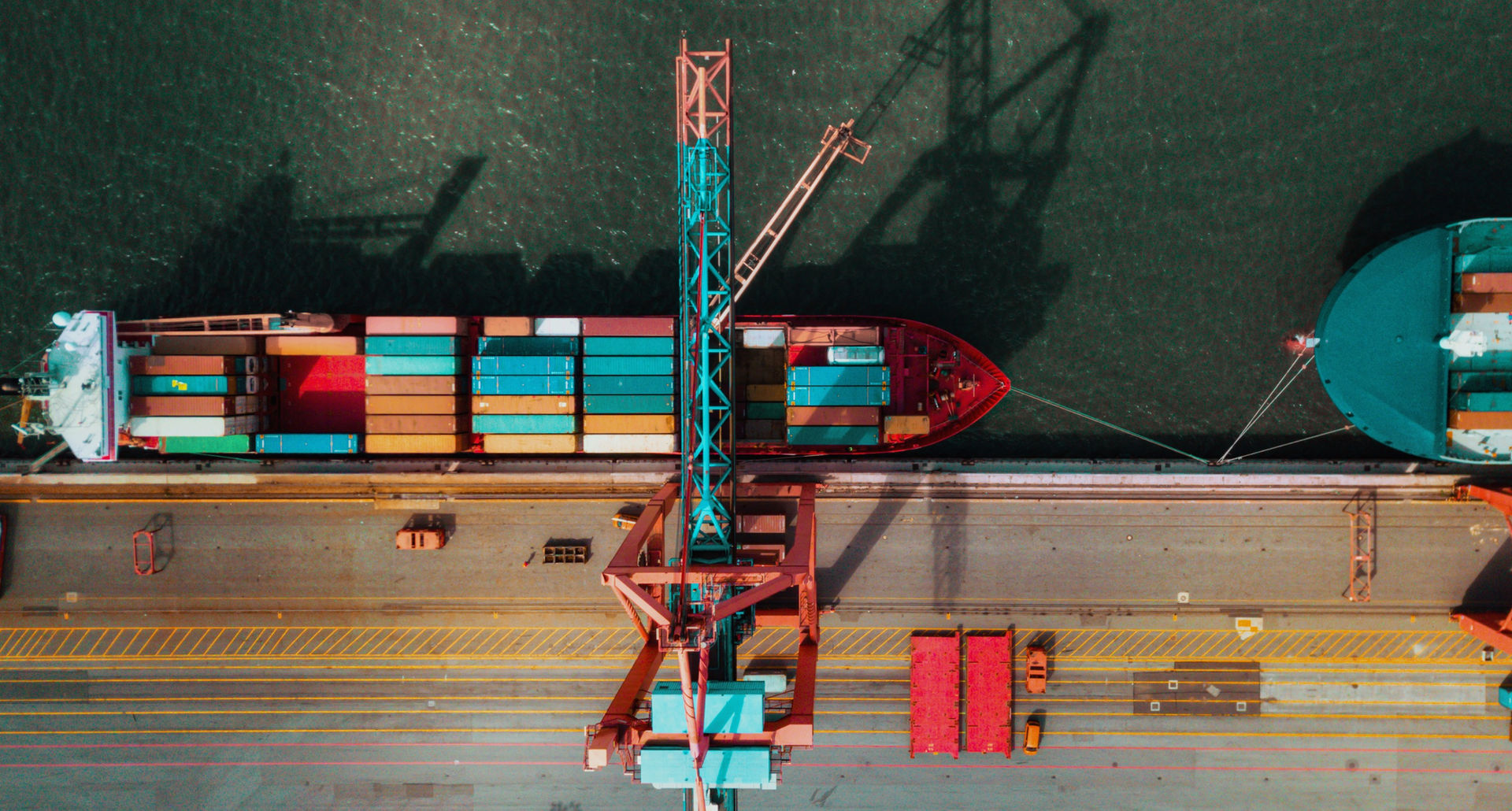

Global buyers, agricultural exporters, and biopharma procurement managers face unprecedented challenges: volatile transit times, strict regulatory oversight (FSMA, USDA, FDA, GDP), and heat spikes during modal transshipments. SHIPIT Logistics® presents an exhaustive framework for zero-deviation perishable transport.
In modern Perishable Goods Logistics, preserving shelf-life and preventing product spoilage requires moving far beyond basic refrigeration. It demands end-to-end thermal engineering, active atmospheric regulation, continuous data validation, and proactive risk engineering at every handoff point. Whether transporting fresh avocados from Latin America, frozen seafood from Southeast Asia, high-value florals from Colombia, or temperature-sensitive biologics across transatlantic corridors, maintaining an unbroken cold chain is non-negotiable.
As an FMC-licensed Ocean Transportation Intermediary (NVOCC Org# 004869, License# 001803), IATA/CNS-licensed air freight forwarder (IATA# 01134480012), and TSA Indirect Air Carrier, SHIPIT Logistics® combines over five decades of international freight expertise with state-of-the-art telemetry to safeguard temperature-sensitive inventory worldwide.
Did you know? Over 68% of cold chain losses occur during tarmac waiting times or dock transloading—not during transit itself. A 2°C temperature drift sustained for just 4 hours can degrade the retail shelf-life of climacteric produce by up to 30%. SHIPIT Logistics eliminates this bottleneck using pre-conditioned thermal blankets, priority customs pre-clearance (ISF 24h prior), and dedicated dual-coast cold-storage transloading facilities in Los Angeles and the US East Coast.
Selecting the correct thermal profile and transport container is the foundational step in cold chain architecture. Below is the technical matrix utilized by our cold chain operations engineers to specify container settings, airflow rates (CFM), and atmospheric parameters for global shipments.
| Cargo Classification | Target Temperature Range | Relative Humidity (RH) / Vent | Recommended Freight Mode | Key Risk Controls |
|---|---|---|---|---|
| Fresh Produce (Climacteric) Avocados, Bananas, Mangoes | +4°C to +13°C (Item specific) | 85% – 95% RH Ventilation: 15–60 CBM/hr | Ocean Reefer FCL with CA (Controlled Atmosphere) | Ethylene scrubbing, CO2/O2 gas ratio monitoring, pre-cooling pulp check. |
| Chilled Proteins & Dairy Fresh Meat, Poultry, Specialty Cheese | 0°C to +2°C | Low Moisture Control Close Vents | Ocean FCL Reefer / Expedited Air Freight | Histamine growth prevention, microbial count monitoring, sealed floor drains. |
| Deep Frozen Foods Seafood, Frozen Berries, Ice Cream | -18°C to -25°C | Ventilation Closed Dehumidification Active | Ocean Reefer FCL (Bottom-Air Delivery) | Genset power continuity at terminal, continuous defrost cycle scheduling. |
| Cut Flowers & Live Flora Roses, Tulips, Decorative Plants | +1°C to +3°C | 90% – 95% RH High Circulation Airflow | Temperature-Controlled Air Freight (Envirotainer) | Botrytis rot prevention, rapid tarmac transfers, vacuum cooling prior to flight. |
| Biopharmaceuticals & Vaccines Clinical Trials, Active Ingredients | +2°C to +8°C / -70°C (Ultra-Cold) | Sealed Passive/Active Chamber | Air Freight (TSA IAC) / Dedicated Reefer Trucking | GDP validation, dual-sensor NIST traceable data loggers, dry ice compliance. |
With primary operations headquartered in Los Angeles, California, and strategic warehouse access on both U.S. coasts, SHIPIT Logistics provides seamless transloading, cross-docking, and final-mile drayage for temperature-sensitive cargo arriving via major ocean ports and airports.
Our operational workflow ensures that perishable containers are plugged into terminal power immediately upon discharge, drayed using Genset-equipped chassis, and transloaded inside temperature-controlled dock environments to prevent ambient air exposure.
Contact Us
As global supply chains adapt to geopolitical shifts, climate volatility, and stricter environmental mandates, buyers must align their procurement strategies with four emerging megatrends:
From farm harvest and factory production to retail distribution and hospital delivery, we manage every critical link in your cold supply chain.
Contracted carrier space, precise bottom-air delivery, controlled atmosphere (CA) technology, and continuous genset power monitoring.
Ocean Cold ChainIATA/CNS-licensed air freight utilizing active thermal containers (Envirotainer, CSafe, C-Core) for time-critical, high-value perishables.
Air Cold ChainIn-house U.S. Customs Brokerage, FDA Prior Notice, USDA APHIS permits, and 24-hour pre-filing of ISF to prevent port holds.
Customs ServicesSpecialized All-Risk Marine Insurance including spoilage, breakdown of refrigeration machinery, and delay clauses.
Insurance Coverage
Perishable goods leave zero margin for logistics error. Operating continuously since 1974 (originally as American Export Lines), SHIPIT Logistics holds top-tier federal licenses: FMC NVOCC #001803, IATA Air Forwarder, TSA IAC, and FMCSA Broker USDOT #2629896 / MC-910043. We combine carrier purchasing power with dedicated cold-chain SOPs to guarantee your cargo arrives fresh, compliant, and on schedule.
Exploring the engineering breakthroughs that eliminate thermal risk and extend perishable shelf life across international routes.
Ethylene gas ($C_2H_4$) is a natural plant hormone emitted by ripening fruit that accelerates senescence (aging) across mixed-cargo containers. Advanced ocean reefers utilized by SHIPIT Logistics integrate catalytic ethylene scrubbers and active nitrogen injection to lower oxygen ($O_2$) concentrations to 2-5% while keeping carbon dioxide ($CO_2$) within strictly controlled bounds. This effectively puts produce into a state of "suspended animation," extending ocean transit viability by weeks.
For high-value pharmaceutical cold chains and elite food products, selecting between active (battery/powered refrigeration) and passive (PCM phase-change material + VIP) systems is critical. Passive containers achieve up to 120 hours of thermal stability without external power, making them ideal for air freight lanes with multiple transshipments. Active units (e.g., Envirotainer RWB/CX) utilize dry-ice sublimation or compressor systems to provide continuous cooling for extreme ambient environments.
Contact Us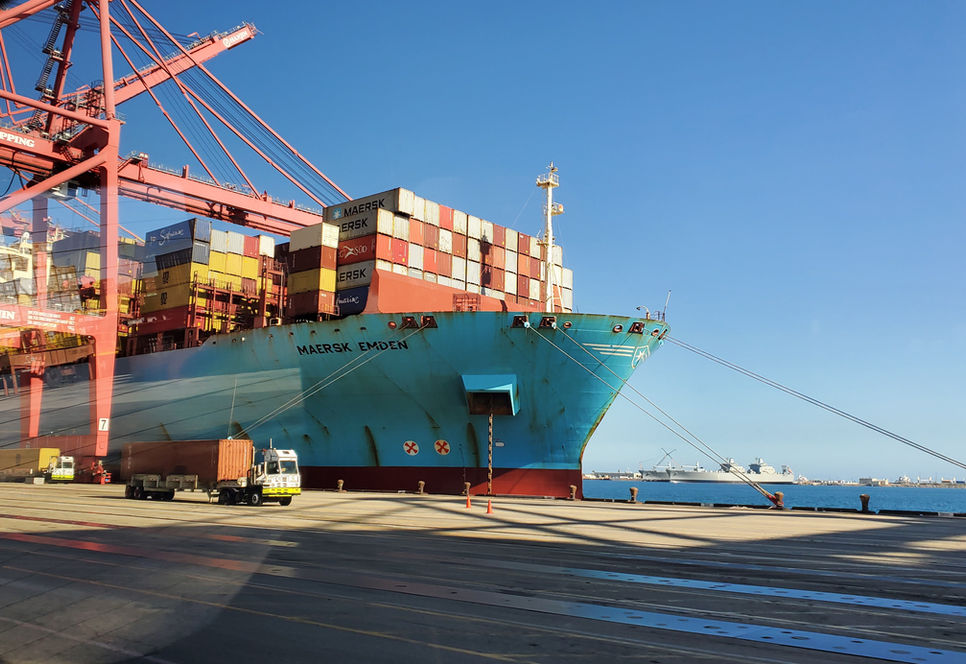
Answers to complex cold chain procurement, technical compliance, and transport risk questions asked by global buyers.
Thermal excursions during transshipments are prevented through a multi-layered protocol: First, we book priority terminal handling with ocean carriers that guarantees immediate reefer plug-in upon vessel discharge. Second, for overland movements, we mandate Clip-On or Undermount Genset diesel generator sets on all truck chassis to ensure unpowered transit never exceeds 30 minutes. Third, our 24/7 monitoring team receives real-time IoT alerts if container ambient temperatures drift by more than ±0.5°C from the setpoint, allowing immediate intervention with port terminal engineers.
Active Cold Chain Systems use mechanical compressor units or electric heating/cooling powered by batteries or external energy (e.g., Envirotainer, CSafe). They offer superior security for long-haul air freight or extreme ambient temperature lanes but carry higher freight tare weight costs. Passive Systems utilize vacuum insulation panels (VIP) and phase-change materials (PCM—such as engineered paraffin or gel packs) to hold targeted bands (e.g., +2°C to +8°C or -20°C) without external power for up to 96–144 hours. Passive containers offer lower volumetric freight costs for standardized routes, while active systems are recommended for ultra-critical biologics or routes with high tarmac delay risks.
Importing perishable goods into the United States requires compliance across multiple federal agencies:
Section 204 of the FDA Food Safety Modernization Act (FSMA) mandates enhanced traceability for foods listed on the Food Traceability List (FTL)—including fresh produce, cheeses, seafood, and nut butters. Supply chain partners must capture and store Critical Tracking Events (CTEs)—such as harvesting, cooling, packing, shipping, receiving, and transformation—along with key data elements (KDEs) including lot numbers, GPS coordinates, and pulp temperatures. SHIPIT Logistics’ digital forwarding technology integrates lot-level KDE recording into electronic bills of lading (eBOL) to ensure full regulatory audit capability.
While standard ocean reefer cargo moves via FCL (Full Container Load) to maintain uniform temperature settings (-18°C or +4°C), specialized refrigerated LCL consolidation services exist on primary trade lanes. However, LCL reefer shipping requires strict compatibility screening: goods sharing the container must require identical temperature setpoints, relative humidity, and atmospheric gas levels, with zero risk of cross-odor contamination (e.g., onions cannot be co-loaded with dairy products). For smaller volume perishables, SHIPIT Logistics evaluates whether refrigerated LCL ocean freight or passive-insulated air freight yields the optimal balance of shelf-life preservation and cost per unit.
Standard ocean and air carrier liability is strictly limited under international conventions (such as Hague-Visby or Warsaw/Montreal Conventions), often capping carrier payout at just $500 per package or 19 SDR per kilogram—fractions of actual perishable commodity value. SHIPIT Logistics strongly advises securing specialized All-Risk Perishable Marine Cargo Insurance. Our policies include specific endorsements for mechanical breakdown of refrigeration machinery (requiring a minimum 24-hour breakdown trigger clause) and thermal deviation coverage, guaranteeing full commercial invoice compensation should mechanical failure occur.
Verified regulatory credentials mean your temperature-controlled shipments are executed by licensed professionals held to the highest standards of international trade law.
004869, License# 001803011344800122629896, MC# 91004353067Connect with a senior SHIPIT Logistics cold chain engineer for lane assessments, reefer bookings, and customs compliance.