
Engineered LCL multimodal services tailored for seamless connectivity into Singapore's trade hubs and onward global routing.
A rigorous examination of Less-than-Container-Load mechanics, regulatory optimization, and supply chain efficiency into Southeast Asia's primary trade gateway.
Singapore occupies an unparalleled node in global logistics, functioning as the premier transshipment hub for Southeast Asia and a key destination market for high-value industrial components, retail commodities, and advanced technology hardware. For enterprises operating within the ASEAN corridor, Less-than-Container-Load (LCL) consolidation represents far more than an economical alternative to Full Container Loads (FCL). It is a vital operational strategy for precise inventory management, working capital preservation, and responsive supply chain orchestration.
Procuring cargo through LCL channels into Singapore requires navigating the intricacies of the Port of Singapore Authority (PSA) facilities, including the mega-terminals at Pasir Panjang and the expanding Tuas Port ecosystem. Trusted LCL shipping manufacturers and suppliers must deliver superior load densities, robust container packing protocols, and precise tracking metrics to ensure seamless transition through Singapore customs and onward distribution channels.
Determining the optimal cargo mode between FCL and LCL requires a clear understanding of financial thresholds and transit variables. While FCL offers dedicated container security, LCL unlocks significant agility when volumetric thresholds remain under 15 cubic meters (CBM).
For shipments between 1 to 13 CBM, LCL provides lower total landed costs compared to booking a standard 20GP FCL container.
LCL freight undergoes rapid stripping at licensed CFS (Container Freight Station) facilities in Singapore, ensuring quick release within 24–48 hours of vessel discharge.
Shared container utilization dramatically improves emissions metrics per freight unit, supporting corporate ESG compliance objectives.
Singapore’s economy features high-tech manufacturing, pharmaceutical production, consumer e-commerce, and heavy marine engineering. Qualified LCL logistics providers customize consolidation frameworks to meet the specific operational demands of these sectors:
Navigating the modern Singapore supply chain requires adherence to shifting regulatory standards and digital platform integrations. Forward-thinking suppliers and NVOCCs align their operating models with several critical local developments:
Singapore TradeNet & GST Adjustment Protocols: Importers entering Singapore must clear goods through TradeNet. With Singapore's Goods and Services Tax (GST) structured at 9%, precise cargo valuation and HTS classification within LCL manifests are essential to prevent customs holds and automated penalty flags. Direct DDP/DDU freight forwarders streamline these processes by managing permit declarations in-house.
Next-Generation Port Digitalization (Networked Trade Platform - NTP): Singapore's digital trade ecosystem relies heavily on data sharing via the NTP. Leading LCL suppliers integrate API-driven tracking nodes, giving Singapore importers real-time visibility from origin stuffing to final CFS unboxing.
With an operational legacy dating back to 1974 (formerly American Export Lines), SHIPIT Logistics provides an enterprise-grade framework for global trade into Singapore. Combining deep regulatory knowledge with robust global infrastructure, our capabilities include:
Federal Maritime Commission (FMC) licensed Ocean Transportation Intermediary (OFF & NVOCC Org# 004869, License# 001803), IATA/CNS Air Forwarder (#01134480012), TSA Indirect Air Carrier, and FMCSA licensed property broker (USDOT# 2629896, MC-910043).
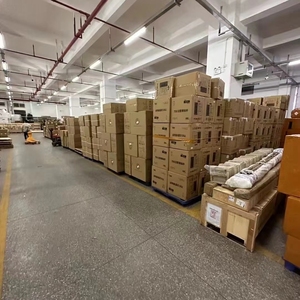
Dedicated origin warehouses across Shenzhen, Shanghai, Ningbo, and global hubs, offering 7–10 days complimentary storage, order aggregation, item-level scanning, and customized protective palletizing.
Clear answers to key regulatory, financial, and operational questions regarding LCL shipping into Singapore.
LCL freight is calculated based on Revenue Tons (w/m), comparing total gross weight (in metric tons) against total volume (in cubic meters - CBM). Freight charges apply to whichever value is higher. Standard origin CFS fees, Singapore destination terminal handling charges (THC), and TradeNet customs permit fees apply.
Singapore customs entry requires a Commercial Invoice, Packing List, House Bill of Lading (HBL), and a valid Singapore TradeNet In-Payment Permit. Controlled goods may require licenses from specific governing bodies, such as the HSA or Agri-Food & Veterinary Authority (AVA).
GST is levied on the CIF value (Cost, Insurance, and Freight) of the goods, plus all duty payable and incidental costs incurred up to the point of importation into Singapore. DDP services calculate and settle these taxes directly on behalf of the importer.
Following vessel discharge at Pasir Panjang or Keppel terminals, containers are transferred to a licensed CFS warehouse. Stripping, sorting, and tally verification typically take 24 to 48 hours before cargo is cleared for final truck dispatch.
Yes. SHIPIT maintains full certification for dangerous goods by sea, air, and road under IMDG, ICAO, and DOT 49 CFR regulations. Hazmat LCL requires pre-approval, MSDS validation, and proper IMDG packaging before origin consolidation.
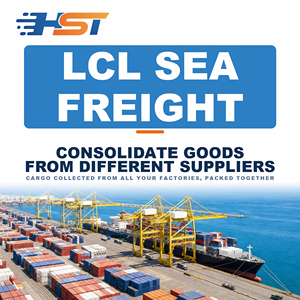
Buyer’s Consolidation allows you to gather purchase orders from multiple suppliers at an origin warehouse into a dedicated container. This avoids multi-party co-loading fees, reduces destination handling costs, and simplifies clearance into a single Singapore customs permit.
Connect with our licensed global freight specialists to analyze your freight lane, optimize container loading metrics, and secure competitive LCL consolidation rates.