
Tailored Ocean, Air, and Multimodal Consolidation Solutions Engineered for Importers, Distributors, and E-Commerce Merchants in Hungary.
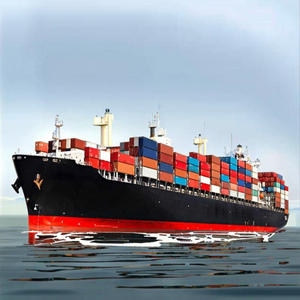
As Central and Eastern Europe (CEE) transforms into a premier manufacturing and industrial distribution hub, Hungary has emerged as the geographic and strategic heart of the region's trade network. Driven by massive foreign direct investment (FDI) in electric vehicle (EV) battery production, automotive engineering, renewable energy infrastructure, and consumer electronics, Hungarian enterprises require agile, highly optimized logistics channels from China. For small to medium enterprises (SMEs) and large-scale industrial buyers, Less Than Container Load (LCL) ocean freight consolidation represents the most cost-effective and operationally flexible shipping mechanism available today.
Navigating the logistics corridor between Chinese manufacturing epicenters—such as Shenzhen, Ningbo, Shanghai, Guangzhou, and Qingdao—and Hungarian destinations requires deep semantic understanding of regional transit channels, European Union tax regulations, and multimodal routing options. This white paper outlines the strategic mechanics, regulatory compliance protocols, and technical advantages of pairing top Chinese LCL exporters with experienced licensed freight forwarders.
Strategic Key Takeaway: Shipping LCL to landlocked Hungary is optimized by leveraging Southern European maritime gateways like the Port of Koper (Slovenia) or Port of Piraeus (Greece), combined with direct rail block trains to Budapest terminals (BILK / Metrans Csepel). This reduces ocean transit time by 7 to 10 days compared to traditional Northern European ports.
Different industrial clusters within Hungary exhibit distinct supply chain requirements when sourcing raw materials, machinery, and finished products from Chinese suppliers:
Supplying Tier-1 and Tier-2 automotive components, battery packaging, wiring harnesses, and stamped metal parts directly to production hubs in Győr, Debrecen, and Kecskemét.
Consolidated air and ocean LCL shipments of micro-controllers, circuit boards, and LED assemblies bound for contract manufacturing plants in Budapest and Székesfehérvár.
Customized packaging and cargo security for solar inverters, lithium energy storage modules, and mounting hardware for utility-scale solar projects across Southern Hungary.
The China-Hungary economic corridor is undergoing unprecedented expansion, fueled by macro-level infrastructure projects and strategic policy alignments:
Choosing the right sea-rail or sea-land combination dictates your total landed cost, carbon footprint, and supply chain predictability. Below is a technical breakdown of primary routing channels from China to Hungary:
| Routing Gateway | Primary Maritime Port | Inland Transit Mode | Avg. Transit Time | Cost Factor (CBM) | Optimal Cargo Application |
|---|---|---|---|---|---|
| Adriatic Corridor | Port of Koper (Slovenia) | Direct Block Train to Budapest | 24 – 28 Days | Competitive | General LCL, Industrial Components, Heavy Cargo |
| Piraeus Land-Sea Express | Port of Piraeus (Greece) | Balkan Rail Express | 22 – 26 Days | Economical | High-Volume LCL Consolidations & Commercial Goods |
| Northern Range Ports | Hamburg / Rotterdam | Cross-Border Trucking / Rail | 32 – 38 Days | Higher Inland Freight | Hazardous Materials & Oversized Project LCL |
| Direct Air Freight | PVG / SZX / CAN | Direct Flight to Budapest (BUD) | 3 – 5 Days | Premium Express | High-Value Electronics, Automotive Samples, Urgent Spare Parts |
Essential knowledge regarding customs protocols, tax deferrals, transit timelines, and ocean freight calculations.
LCL freight is calculated on a W/M (Weight or Measurement) basis. The standard ratio for sea freight is 1 CBM = 1,000 kg. You are billed whichever total is higher: the volume in cubic meters (CBM) or the gross weight in metric tons. Our transparent quotes detail all origin CFS charges, ocean freight, and Hungarian destination destination handling fees (DTHC).
Hungarian importers must hold a valid EORI number and a local VPID tax identity number registered with NAV (National Tax and Customs Administration of Hungary). Required shipment documents include the Commercial Invoice, Packing List, House Bill of Lading (HBL), and CE Certificates (where applicable).
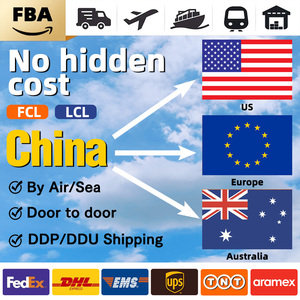
Yes. Hungary permits eligible commercial importers to utilize indirect representation or self-assessment VAT schemes under Act CXXVII of 2007. Under our DDP (Delivered Duty Paid) service options, our local clearance team manages duty entry and VAT settlement upfront, delivering cleared goods directly to your facility.
Standard port-to-port maritime LCL via Port of Koper takes 22-26 days. Including origin consolidation, custom clearance, and final-mile trucking to Budapest or Debrecen, total door-to-door transit averages 30 to 35 calendar days. Express air freight options reduce this window to 5-7 days.
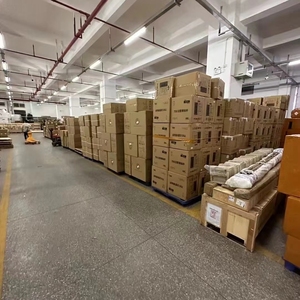
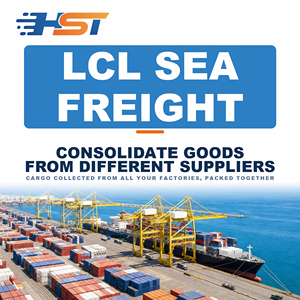
Instead of importing 5 separate LCL shipments from 5 different suppliers (paying 5 sets of entry fees, documentation charges, and handling costs), we collect all goods at our Shenzhen or Shanghai CFS, combine them into 1 single LCL container, and issue 1 master set of import documents. This typically saves 25% to 40% in total landed logistics fees.
Yes. SHIPIT Logistics is fully certified in Dangerous Goods (DG) management across IATA, IMDG, and DOT regulations. We regularly transport Class 9 lithium-ion battery packs (UN3480/UN3481) and industrial chemicals, ensuring proper MSDS compliance, UN-approved packaging, and EU transit clearance.
Connect with our senior logistics strategists. Get transparent per-CBM rate schedules, origin warehouse booking details, and complete customs clearance support tailored to the Hungarian market.