
800-U-SHIP-IT (874-4748) Los Angeles, CA · Serving 150+ Countries FMC-Licensed NVOCC #001803
0%

Choosing a top provider in China’s Project Cargo Logistics market requires more than comparing fleet size or website claims. Oversized transformers, wind turbine blades, pressure vessels, and construction modules demand careful planning. Each shipment may involve factory loading, inland transport, port handling, ocean freight, and final-site delivery. Small errors can delay an entire industrial project.

This overview focuses on Chinese logistics companies with practical experience in heavy-lift and oversized cargo movements. It considers engineering capability, route surveys, transport permits, lifting plans, cargo securing, insurance coordination, and shipment visibility. Reliable providers should explain their methods clearly. They should also show evidence through completed projects, qualified teams, modern equipment, and dependable partnerships with ports, carriers, and local transport operators.

Details matter greatly. A 90-ton transformer may require a hydraulic axle trailer, bridge checks, police coordination, and nighttime delivery. A turbine blade may need temporary road closures and precise turning calculations. Strong companies manage these risks while following applicable customs, safety, environmental, and transport regulations.

No ranking remains perfect.

Project conditions change. Port congestion, weather, regulatory updates, and equipment availability can affect performance. Therefore, this guide does not treat one company as universally superior. Instead, it offers a practical framework for comparing service quality, technical depth, communication, and delivery reliability. Readers should verify recent references, project scope, certifications, and commercial terms before making a final decision. A provider’s promise matters, but documented execution matters more.
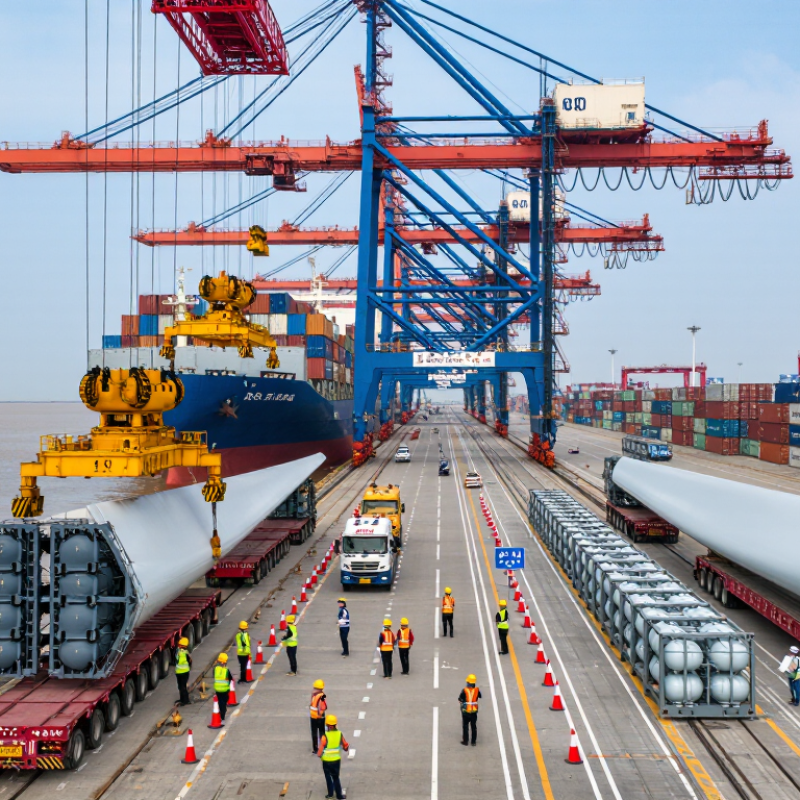
China Top Project Cargo Logistics Companies?

What Is Project Cargo Logistics in China?

Project cargo logistics in China manages oversized, heavy, or unusually shaped equipment. Examples include wind-turbine blades, transformers, steel modules, and refinery machinery. These shipments rarely fit standard container plans. They need route surveys, lifting studies, permits, reinforced storage areas, and synchronized transport schedules.

China’s Ministry of Transport reported about 16.97 billion tonnes of port cargo throughput in 2023. That scale shows the country’s strong handling infrastructure, but project cargo requires more than busy terminals. UNCTAD’s Review of Maritime Transport 2024 states that maritime shipping carries over 80% of global merchandise trade by volume. For project cargo, inland roads, rivers, rail links, and coastal vessels must work as one chain.

A single bridge limit can change the entire route. A missed lifting window can leave expensive equipment waiting in a yard.

Experienced logistics teams normally inspect cargo drawings, center-of-gravity data, packing conditions, and delivery-site access before booking transport. They also compare seasonal risks, including typhoons, flooding, and restricted urban traffic. The process is technical. It is not always perfect. Measurements may change after fabrication, and local road information can be incomplete. Therefore, reliable planning requires documented updates, independent checks, and direct communication with surveyors, engineers, carriers, and site managers. Safety should remain measurable, not merely promised.

Key Services Provided by Chinese Project Cargo Logistics Companies

China’s project cargo logistics companies support complex shipments that ordinary freight networks cannot handle. Their services often cover oversized machinery, industrial modules, wind components, and construction equipment. Each movement needs careful planning.

Route surveying is a core service. Specialists check bridge clearances, road widths, turning angles, port access, and local weight limits. They may arrange escorts, lifting equipment, temporary road support, and approved transport permits. At the port, teams coordinate cranes, roll trailers, barges, and heavy-lift vessels. Weather and tide conditions can change the loading window quickly.

Cargo engineering adds another layer of control. Engineers review weight distribution, center of gravity, lashing points, and packing methods. They prepare lifting plans and monitor loading through photographs, checklists, and on-site inspections. Customs documentation and insurance coordination also require accurate information. One incorrect measurement can delay an entire convoy.

Communication matters.

Reliable providers usually assign a project manager who connects factories, ports, carriers, surveyors, and consignees. Regular progress reports help clients track milestones and respond to delays. Digital tracking is useful, but it cannot replace a person checking a crane position or a damaged protective cover. No plan is flawless. A route may pass inspection, yet unexpected construction can force a change. Experienced teams leave practical alternatives, although some plans still need improvement after real-site feedback.

How to Evaluate Top Project Cargo Logistics Providers in China

Choosing a top project cargo logistics provider in China requires more than comparing freight rates. Examine its experience with oversized machinery, industrial modules, and heavy electrical equipment. Ask for recent case records, route surveys, lifting plans, and delivery evidence. A serious provider should explain how it handled bridge limits, port access, road clearances, and weather delays.

Professional knowledge appears in the details. The provider should measure cargo dimensions, center of gravity, packing needs, and loading points before quoting. Check whether its teams coordinate with ports, carriers, customs specialists, surveyors, and local transport authorities. Request valid insurance documents, safety procedures, tracking methods, and emergency contacts. Independent certifications and client references can strengthen credibility, but paperwork alone proves little.

Tips: Compare at least three detailed proposals. Look beyond the lowest price. Confirm what the quotation excludes, such as cranes, storage, escorts, or route modifications. Ask who controls subcontractors and how damage claims are handled. A useful provider should offer milestone updates with photos and signed delivery records. No plan survives perfectly. I would also test communication with a small shipment before assigning a complex movement. Slow replies may become expensive delays when a 20-ton transformer waits beside a restricted road.

How to Evaluate Top Project Cargo Logistics Providers in China

Recommended evaluation weights for comparing project cargo logistics providers

The scorecard prioritizes capabilities that are critical for oversized, heavy-lift and time-sensitive cargo: engineering and route planning, multimodal transport coordination, customs compliance, safety performance, shipment visibility, and contingency response. Buyers can score each provider against these weighted dimensions using documented project references, licenses, safety records, equipment capacity, tracking systems and service-level results.

Leading Company Types in China’s Project Cargo Logistics Market

China’s project cargo logistics market is shaped by several company types, not one dominant model. Integrated state-owned logistics groups often manage customs coordination, inland transport, and port transfers. Their strength is nationwide coverage and access to large infrastructure networks.

Specialist heavy-lift forwarders handle oversized transformers, turbines, modules, and construction equipment. They provide route surveys, lifting plans, escorts, and temporary storage. Engineering and procurement contractors also operate dedicated logistics divisions. These teams understand factory schedules and installation risks better than general freight providers. Port operators and multimodal transport companies complete the market. They connect coastal terminals with rail, barge, and specialized trucking services.

The China Federation of Logistics and Purchasing reported total social logistics value of 360.6 trillion yuan in 2024, rising 5.8% year on year. That broad figure shows the market’s scale, but it does not measure project cargo directly. UNCTAD’s Review of Maritime Transport 2024 also confirms Asia’s central role in global seaborne trade. China therefore remains important for complex industrial movements, although project cargo needs more precise data.

Tips: Compare engineering capability, not only freight rates. Request lifting records, route-study samples, insurance limits, and contingency plans. Confirm who controls permits and site safety. A low quotation may hide weak coordination. That risk deserves honest review.

Industries and Routes Served by Chinese Project Cargo Specialists

China’s project cargo specialists support industries that cannot rely on standard container schedules. Their work often covers wind turbines, power equipment, steel structures, mining machinery, refinery modules, and factory production lines. Each shipment begins with a site survey, not a price quote. Engineers check lifting points, road clearance, bridge limits, and port access before transport planning starts.

Common routes connect manufacturing regions in eastern and southern China with Southeast Asia, the Middle East, Europe, Africa, and the Americas. Heavy equipment may move from inland factories to coastal ports by low-bed trailer or barge. Oversized cargo often travels through ports with suitable cranes, reinforced yards, and flexible berthing windows. Rail can support selected inland corridors, but it is not always practical for exceptional dimensions.

Plans change.

Experienced teams combine ocean freight, inland haulage, customs documentation, temporary storage, and on-site delivery. They also coordinate with surveyors, port authorities, construction contractors, and local transport providers. A route that looks efficient on a map may fail because of a narrow village road or a low power line.

Small details matter.

Reliable operators provide cargo measurements, weight records, packing methods, insurance documents, and milestone updates. They explain assumptions instead of hiding uncertainty. Still, no plan is perfect. Weather, port congestion, permit delays, and inaccurate factory data can disrupt schedules. Strong project control includes contingency routes, revised lifting plans, and clear communication when conditions change.

FAQS

What services do project cargo logistics companies provide?

They move oversized machinery, industrial modules, wind components, and construction equipment. Planning covers transport, ports, lifting, storage, customs documents, and insurance coordination.

Why is route surveying important for oversized cargo?

Surveyors check bridge clearances, road widths, turning angles, port access, and weight limits. They may arrange escorts, permits, temporary road support, and lifting equipment.

What does cargo engineering examine before shipment?

Engineers review weight distribution, center of gravity, lashing points, packing, and loading positions. They also prepare lifting plans and inspect loading activities.

How do ports handle heavy project cargo?

Port teams coordinate cranes, roll trailers, barges, and heavy-lift vessels. Weather and tides can shorten the loading window without much warning.

How can a buyer evaluate a logistics provider?

Request recent case records, route surveys, lifting plans, insurance documents, and delivery evidence. Ask how the provider managed bridge limits and weather delays.

Should the lowest quotation be selected?

Not necessarily. Check whether cranes, storage, escorts, permits, or route changes are excluded. A cheap quote may conceal weak coordination or limited insurance.

How does communication affect project cargo delivery?

A project manager should connect factories, ports, carriers, surveyors, and consignees. Progress reports, photographs, and signed delivery records make delays easier to manage.

Can digital tracking replace on-site supervision?

No. Digital tracking shows movement, but it cannot confirm a crane position or damaged protective cover. A person still needs to check critical operations.

What types of companies operate in this market?

The market includes integrated logistics groups, specialist heavy-lift forwarders, engineering contractors, port operators, and multimodal transport companies. Their coverage and technical strengths differ.

What practical step can reduce selection risk?

Compare at least three detailed proposals. Test communication with a small shipment before assigning a complex movement. No plan is flawless.

Conclusion

Project Cargo Logistics in China covers the planning, handling, transportation, and delivery of oversized, heavy, high-value, or technically complex shipments. Unlike standard freight, these projects often require customized lifting plans, route surveys, special equipment, port coordination, cargo protection, and close scheduling across multiple transport modes. Chinese project cargo logistics companies support industries such as energy, construction, manufacturing, infrastructure, and industrial equipment, serving domestic destinations as well as international routes through major ports and inland transport networks.

When evaluating a leading provider, businesses should consider experience with similar cargo, engineering and safety capabilities, fleet and equipment resources, network coverage, communication quality, documentation management, and the ability to control costs and timelines. Project cargo specialists may include integrated logistics providers, heavy-haul transport operators, freight forwarders, and engineering-focused logistics teams. The most suitable partner is one that can develop a practical, compliant, and transparent transport plan from the initial assessment through final delivery.

Ethan

Ethan

Ethan is a dedicated marketing professional who combines strategic insight, industry knowledge, and a strong understanding of customer needs. As a key contributor to the company’s marketing team, he regularly publishes informative blog articles that explain product functions, industry developments,......