
Choosing reliable Amazon FBA Prep Services in China can shape how smoothly products move from a supplier to an Amazon fulfillment center. The right partner may help with receiving, visual inspections, labeling, polybagging, carton preparation, and shipment coordination. These tasks sound simple. Small errors can still cause delays, extra handling, or confusing inventory records.
This guide introduces ten services for sellers comparing providers in China. It considers practical details such as warehouse location, supported product types, inspection procedures, pricing transparency, communication, and the ability to handle changing order volumes. A polished website is not enough; sellers should ask how a provider records incoming cartons, reports damaged packaging, and confirms label placement before dispatch. Clear answers matter.
No prep company fits every seller. A small launch may need basic labeling, while a larger operation may value consistent checks across multiple suppliers. Service descriptions can also leave important questions unanswered, so readers should verify current capabilities, fees, timelines, and responsibilities directly with each provider. I would not treat a low quote as proof of good value. The comparison below is a starting point, not a substitute for due diligence, and real experiences can differ by product and shipment.
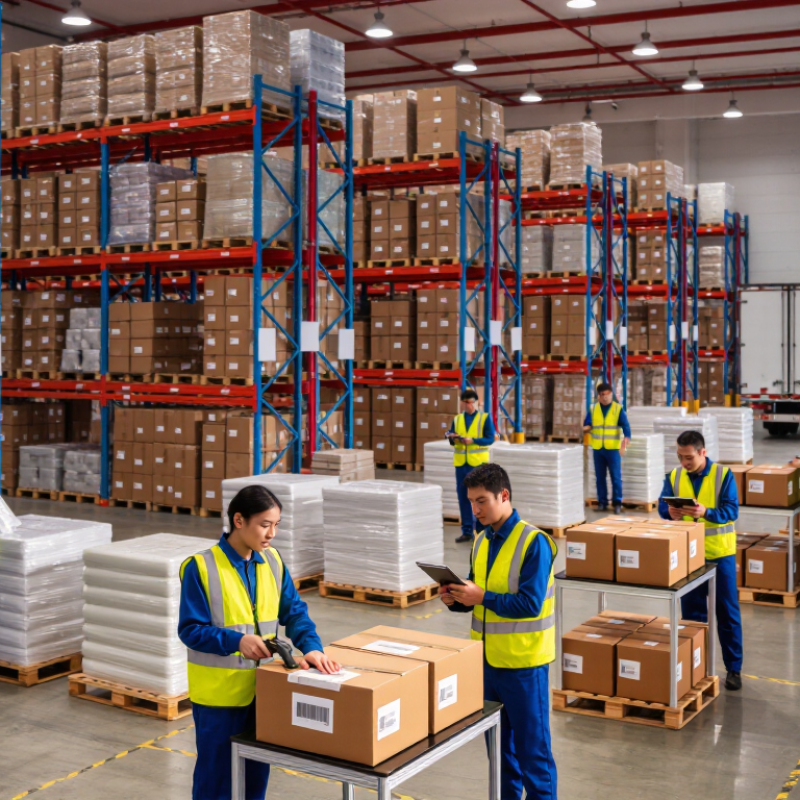
An Amazon FBA prep service is a China-based operation that receives inventory, checks product quality, applies required labels, repacks units, and sends compliant cartons to overseas fulfillment centers. It connects factories with international warehouse networks. This matters because small errors can create expensive delays. A missing barcode, crushed corner, or incorrect carton count may trigger rework.
China offers a practical location for this work. A prep center can inspect goods near the supplier, combine shipments, and photograph defects before export. The World Bank’s 2023 Logistics Performance Index gave China a logistics score of 3.7 out of 5, ranking it 19th globally. That supports China’s strong logistics infrastructure, although performance still varies by region and provider. DHL’s 2024 E-Commerce Trends Report also shows that cross-border purchasing is now common, increasing the need for accurate fulfillment preparation.
A reliable service should provide clear receiving records, sample inspections, inventory counts, carton measurements, and shipment tracking. Ask how it handles damaged units and unexpected factory shortages. Written procedures matter. So does accountability. A prep service cannot replace product testing, customs compliance, or careful supplier management. That assumption is risky. Even experienced sellers may overlook carton limits or changing labeling rules. Regular audits, photo evidence, and a small trial shipment can expose weaknesses before larger inventory arrives.
Choosing among China-based Amazon FBA prep providers requires more than comparing handling fees. Ask how each team receives, counts, inspects, labels, packs, and dispatches inventory. Request a sample workflow with timestamps and photos. A reliable facility should explain barcode verification, carton measurements, storage conditions, and shipment handoff. Visit or commission an independent warehouse audit when possible. Polished websites prove little. Operational evidence matters more.
Tips: Send a small test batch before committing. Include mixed carton sizes, fragile packaging, and several SKUs. Measure receiving accuracy, photo quality, response time, and discrepancy handling. Check whether the provider shares inventory records and inspection reports securely. Ask for written service levels, damage procedures, and peak-season capacity. Confirm packaging and labels meet destination-market requirements. Costs can change. A cheap quote may exclude relabeling, storage, or carton disposal.
During evaluation, speak with the operations manager, not only a sales contact. Ask who approves photos, resolves shortages, and checks final cartons. Confirm staff training and backup coverage during national holidays. Review warehouse security, pest control, fire protection, and restricted-access procedures. I would not trust a provider after one impressive video call. I once overlooked slow exception handling, and the delay created unnecessary pressure. That weakness deserves attention before any long-term agreement.
Choosing the top 10 Amazon FBA prep services in China requires more than comparing price lists. Strong providers usually cover factory receiving, quantity checks, product inspection, labeling, polybagging, bundling, kitting, carton preparation, storage, and shipment coordination. These services help sellers move inventory from Chinese factories to fulfillment centers with fewer avoidable errors.
The ten most useful service categories are
Experienced prep teams should record carton dimensions, weights, SKU counts, damaged units, and packaging changes. Clear photographs matter. So does a written inspection report.
Reliability depends on the details.
Ask whether the warehouse uses barcode scanning, dual-count verification, clean storage areas, and documented inventory controls. Confirm how the team handles damaged goods, missing units, repacking decisions, and shipment delays. Staff should understand current fulfillment requirements, but sellers must still verify rules for their product category and destination market.
A low-cost provider may look attractive until one incorrect label delays several cartons. That mistake is expensive.
I have also found that some service descriptions sound impressive but lack measurable quality procedures. Request a sample report, processing timeline, storage terms, and a transparent fee schedule before sending inventory.
No ranking stays permanent. Performance should be reviewed after real shipments.
Choosing among the top FBA prep services in China requires more than comparing price lists. A reliable provider should handle carton inspection, barcode application, bundling, storage, and shipment booking. The World Bank’s 2023 Logistics Performance Index shows that logistics quality depends heavily on tracking, customs efficiency, and delivery reliability. These areas deserve careful checking.
Accuracy comes first. Ask for inspection photos, defect records, inventory updates, and a clear rework policy. The 2024 State of the Amazon Seller report identifies rising operating costs as a major seller concern. Therefore, transparent fees matter. Compare receiving charges, storage rates, labeling costs, and return handling. Low prices can hide delays.
Technology separates basic warehouses from stronger partners. Real-time inventory dashboards, API connections, scan-based workflows, and batch-level records reduce avoidable mistakes. The 2024 DHL E-Commerce Trends Report also highlights delivery visibility as a key customer expectation. A useful prep service should provide measurable processing times and shipment status updates. Ask about peak-season capacity, staff training, and escalation contacts. Small details matter.
No scorecard is perfect. I would still test a provider with a limited shipment before scaling. A sample shipment reveals packing quality, response speed, and documentation discipline better than a sales presentation. Look for evidence, not promises.
This table compares ten common FBA prep service categories, not individual providers or a ranked list of companies. Actual availability, fees, and requirements vary by facility, product, and shipment.
| Service | Typical scope | Key feature | Common charging basis | Points to confirm |
|---|---|---|---|---|
| 1. Receiving and quantity check | Receives cartons and checks package counts against shipment or purchase-order information. | Identifies visible shortages or carton damage before outbound shipping. | Per carton, unit, or inbound shipment. | Whether discrepancies are photographed and reported, and whether detailed unit counts cost extra. |
| 2. Product inspection | Visual checks for agreed defects, packaging condition, or product details; inspection depth depends on the work instruction. | Can help detect issues before inventory is shipped to a fulfillment center. | Per unit, inspection sample, or labor time. | Inspection checklist, sample size, defect criteria, photos, and handling of rejected units. |
| 3. FNSKU labeling | Applies seller-provided unit labels when required for the shipment and inventory setup. | Supports unit identification and scannability during fulfillment-center receiving. | Per unit or label, sometimes with a setup fee. | Who creates and checks label files, placement instructions, and treatment of existing barcodes. |
| 4. Polybagging and suffocation warnings | Places eligible products in protective bags and adds warnings where applicable under current marketplace requirements. | Adds a protective layer for products that need bagging. | Per unit, based on bag size and handling. | Bag dimensions, thickness, warning-label responsibility, and whether the product requires bagging. |
| 5. Bubble wrapping and protective packing | Adds cushioning or other agreed protection to fragile or easily damaged items. | Can reduce exposure to handling damage; protection needs depend on the product and packing plan. | Per unit or by material and labor used. | Materials, number of layers, added package dimensions, and any applicable drop-test requirements. |
| 6. Bundling and multipack preparation | Combines specified items into a set or multipack and applies required identification or handling labels. | Prepares products to be handled as the intended sellable unit. | Per bundle, unit, or assembly task. | Bundle contents, packaging method, label placement, and the correct listing and shipment setup. |
| 7. Carton labeling and shipment documentation | Applies shipment carton labels supplied or approved by the seller and organizes agreed shipping paperwork. | Helps align outbound cartons with the shipment plan. | Per carton, shipment, or document set. | Label version, carton contents, export documents, and who is responsible for customs declarations. |
| 8. Carton consolidation and palletizing | Combines ready cartons into a shipment and may build pallets when requested and suitable for the route. | Supports freight handling and shipment preparation for applicable transport methods. | Per carton, pallet, or labor task; materials may be additional. | Pallet specifications, maximum dimensions and weight, wrapping, and carrier or destination requirements. |
| 9. Short-term storage and inventory handling | Holds received inventory before prep, consolidation, or dispatch; inventory records depend on the facility’s process. | Can coordinate staggered production and shipment scheduling. | By pallet, carton, volume, or storage period. | Free-time policy, storage rate, inventory reporting, insurance, and procedures for damaged or unclaimed goods. |
| 10. Freight handoff and shipment coordination | Coordinates dispatch with a seller-appointed carrier or arranges transport if offered as a separate service. | Connects completed prep with the selected shipping route and destination. | Quoted by shipment, weight, volume, route, and service level. | Incoterms, insurance, customs responsibilities, transit estimates, tracking, and delivery appointment requirements. |
Note: Amazon FBA packaging, labeling, and shipment requirements can vary by product, fulfillment program, and destination, and may change over time. Confirm the current instructions in Seller Central and obtain a written scope and quote before sending inventory.
Choosing among China’s top ten Amazon FBA prep services requires more than comparing prices. Start with your product, shipment profile, and destination requirements. A reliable partner should explain receiving, inspection, labeling, bundling, storage, and dispatch clearly. Ask for recent process photos, sample inspection reports, and a written fee schedule. Small details matter. Can staff scan every carton? Can they record damaged units before packing? Practical answers reveal operational experience better than polished sales language.
Operational controls
Verify measurable controls. Look for barcode scanning, photo evidence, inventory reconciliation, lot tracking, and restricted-access storage. Request service targets for receiving speed and order accuracy. Confirm how the team handles shortages, damaged packaging, relabeling errors, and peak-season delays. A capable facility should identify risks before your shipment arrives, not after a customer complaint. Check references from sellers with similar product dimensions and monthly volume. A large warehouse is not automatically better.
Test the process before you commit.
Test communication with a small batch. Send 20 to 50 units and compare the intake report with your own count. Notice response times, escalation quality, and whether answers stay specific. No checklist is perfect. My own mistake was trusting a low quote that excluded storage after a grace period. Read every exclusion. Review insurance, data handling, payment terms, and cancellation conditions carefully. Trust grows from records, not promises.
It receives inventory, checks products, applies labels, repacks units, and prepares cartons for overseas fulfillment centers.
A nearby facility can inspect goods, combine shipments, and photograph defects before export. This may help catch problems early.
Look for receiving records, inventory counts, carton measurements, inspection photos, and shipment tracking. Written procedures matter.
Send a small test batch with mixed carton sizes, fragile packaging, and several product types. Check counts, photos, response times, and discrepancy handling.
Ask who investigates them, how quickly you receive evidence, and what steps follow. A vague process is a warning sign.
No. Ask whether the quote includes relabeling, storage, or carton disposal. Low prices can leave out important services.
Review security, pest control, fire protection, and restricted access. Ask how staff receive training and who provides holiday backup.
No. It supports preparation, but it cannot replace product testing, customs compliance, or careful supplier oversight.
No. Operational evidence matters more than a polished presentation. A small trial or independent warehouse audit can reveal weaknesses.
Choosing the right Amazon FBA Prep Services in China can help sellers streamline inventory handling, improve shipment accuracy, and reduce the risk of delays or fulfillment issues. These providers typically support activities such as receiving goods, inspecting product condition, counting inventory, labeling units, assembling packages, and preparing cartons according to marketplace requirements. Using a local partner may also simplify communication with suppliers, lower domestic transportation costs, and make quality control more efficient.
When evaluating China-based FBA prep providers, sellers should compare service scope, processing speed, storage conditions, pricing transparency, communication quality, technology, and experience with international shipments. The leading providers can differ in their strengths, including inspection depth, customization options, inventory visibility, packaging flexibility, and support for urgent orders. Sellers should select a partner that matches their product volume, operational complexity, budget, and growth plans. A reliable service should offer clear procedures, accurate reporting, secure handling, responsive support, and consistent quality, enabling sellers to build a dependable and scalable fulfillment workflow.