
Choosing reliable Cargo Insurance Services in China requires more than comparing premium prices. A low quote may exclude moisture damage, theft during inland transfer, or delays at a busy port. The right policy should match your cargo, transport route, packaging, and commercial terms.
Experienced importers usually examine claim procedures before signing. They ask who assesses damage, which documents are required, and how quickly surveyors respond. A practical provider should explain coverage in clear English and Chinese. Its policy should identify exclusions, deductibles, liability limits, and approved reporting channels. Check the insurer’s licensing status through credible Chinese financial authorities. Review its financial strength, service history, and partnerships with established brokers or logistics companies. References help, but they are not perfect.
Small details reveal service quality. Can someone answer at 9 p.m. after a container leak? Will the provider guide you through photographs, packing lists, invoices, and inspection reports? Ask questions. Test the support team before a loss occurs. A dependable insurer should never promise automatic compensation. Claims depend on evidence, policy wording, and careful loss prevention. This is where many buyers misjudge the market. They focus on price and overlook response time. I would also reconsider any provider using vague online testimonials or pressure-based sales tactics. The strongest choice combines transparent terms, relevant marine expertise, responsive claims support, and a verifiable record. This guide explains how to compare those factors carefully and select protection that fits real shipping conditions in China.
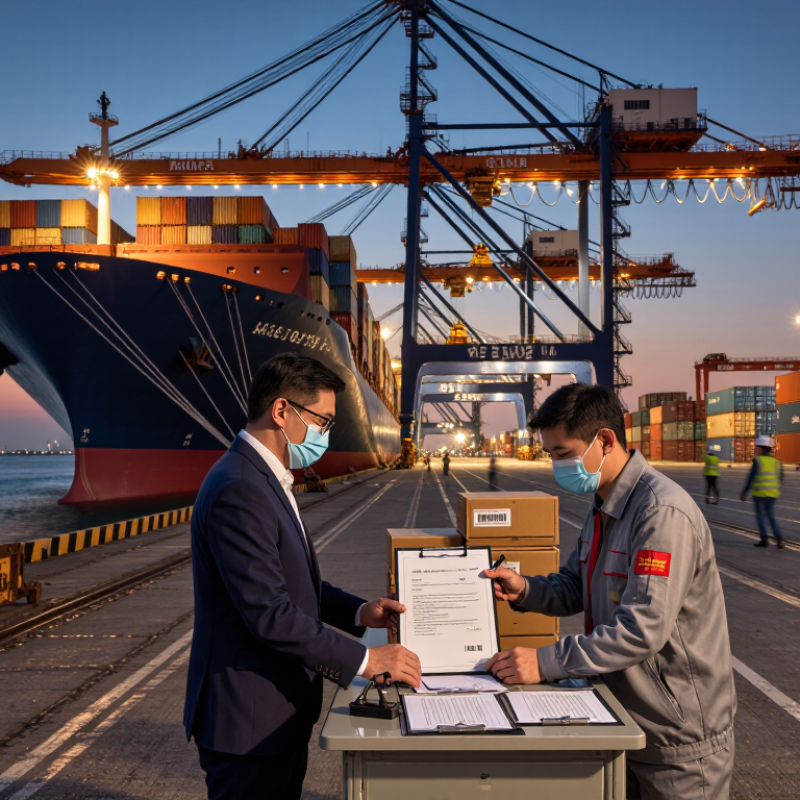
Cargo insurance in China offers several protection options for importers, exporters, and domestic shippers. The right choice depends on the cargo, route, and handling conditions. Sea shipments may need broader protection against water damage, container loss, and rough handling. Air cargo usually faces shorter transit times but still needs coverage for theft, impact, and temperature changes. Domestic trucking and warehouse storage require different risk reviews.
Start with the policy wording, not the premium. “All risks” does not mean everything is covered. Exclusions may include poor packaging, natural wear, delays, or improper storage. Named-perils coverage can cost less, but it protects only against listed events. Check whether the policy covers the full warehouse-to-warehouse journey. Also review deductibles, claim deadlines, currency, and declared cargo value.
Choose a service with licensed operations, transparent terms, and an experienced claims team in China. Ask whether staff can inspect damage locally and communicate in clear English or Chinese. A reliable provider should explain required documents before shipment. Keep commercial invoices, packing lists, transport records, and loading photos. For damaged cartons, record the condition before opening them. Notify the insurer and carrier quickly. Small details matter.
In practice, many buyers focus too heavily on price. That approach can create expensive gaps. I would request a written coverage comparison and test the provider’s response time before purchasing. Policy language can still feel confusing, even after careful review. That uncertainty deserves another question, not a rushed signature.
Protection may cover damage, theft, impact, water exposure, container loss, and handling risks. Coverage depends on the policy.
No. Exclusions may include poor packaging, ordinary wear, delays, improper storage, and temperature deviations. The wording matters more than the label.
Compare the premium, deductible, coverage limit, declared value, currency, and journey scope. A cheap quote may leave expensive gaps.
Check whether protection begins at the origin warehouse and ends at final delivery. Loading, storage, inland transport, and unloading should be clear.
Sea cargo may need protection against water damage, rough handling, container loss, and long transit exposure. Routes still carry uncertainty.
Air cargo may face theft, impact, and temperature changes. Trucking and storage require separate reviews for handling, delay, and unattended locations.
Keep invoices, packing lists, transport records, loading photos, inspection reports, and damage notices. Details can decide the outcome.
Photograph the cartons before opening them. Notify the insurer and carrier quickly. Preserve damaged packaging for inspection.
Confirm notification deadlines, survey procedures, required documents, settlement timing, salvage handling, and recovery rights. Ask who appoints the local surveyor.
Request a written coverage comparison and test response times with practical questions. Clear answers help, but they are not proof of perfect service.
Choosing the right Cargo Insurance Services in China begins with understanding the available coverage options and matching them to the nature of your shipment. Consider the goods’ value, packaging, transport routes, handling conditions, storage periods, and potential risks such as damage, loss, theft, or delays. A careful risk assessment helps determine whether you need basic protection, broader all-risk coverage, or specialized terms for particular cargo and transportation methods.
When comparing providers and policies, review more than the premium. Pay close attention to coverage limits, deductibles, exclusions, documentation requirements, claim deadlines, settlement procedures, and the provider’s communication and support capabilities. The best choice should offer clear terms, suitable protection, transparent pricing, and an efficient claims process. After purchasing coverage, keep accurate shipping records, report changes promptly, and regularly reassess your insurance needs as routes, cargo types, and business volumes change.