Choosing among the Best China Ocean Freight Forwarding Companies requires more than comparing ocean rates. A dependable partner should coordinate factory pickup, export documentation, port handling, vessel schedules, and final delivery. Ocean Freight Forwarding is a connected process, not a single booking. One missing document can delay a container for days.
This guide examines forwarders through practical shipping details. These include experience with major Chinese ports, transparent quotations, shipment tracking, and responsive customer service. It also considers documentation accuracy, cargo insurance options, consolidation services, and communication during schedule changes. A capable forwarder should explain charges clearly before loading begins. That includes origin fees, destination costs, storage risks, and possible surcharges.
Real performance matters.
A low quote may look attractive beside a warehouse estimate. However, unclear handling fees can change the final cost. Transit times also depend on seasonal congestion, weather, vessel availability, and customs procedures. No ranking stays perfect for every business. A small exporter may value personal support, while a large importer may need automated systems and daily container updates. This article therefore avoids judging companies by price alone. It focuses on evidence that buyers can verify, such as service coverage, operating history, customer feedback, and written policies. Some public information may become outdated, so readers should confirm current routes and terms directly. Careful comparison can reduce surprises and create a steadier supply chain from China to international markets.
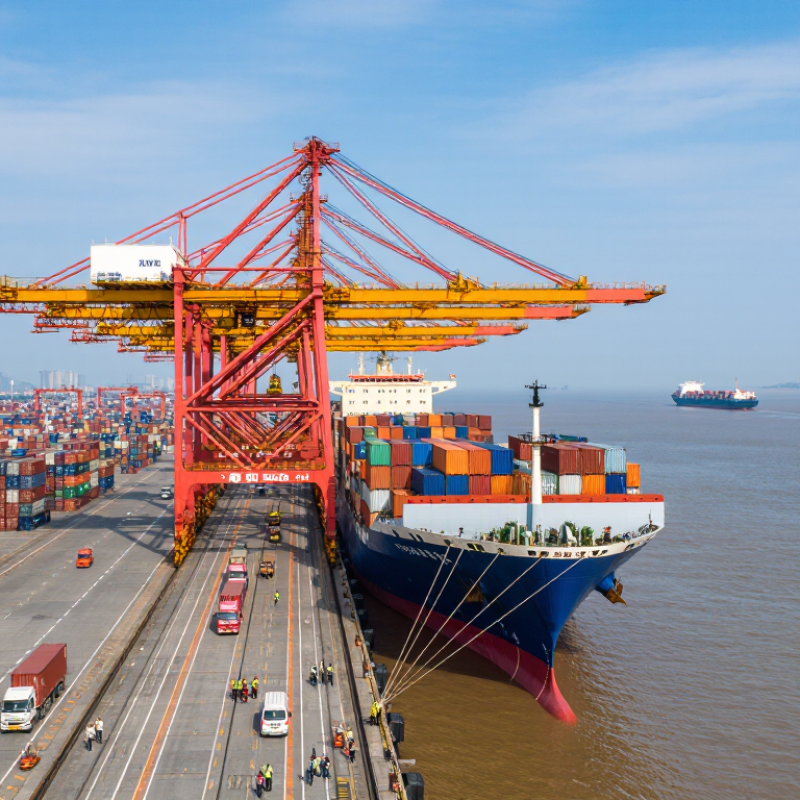
More than 80% of global trade moves by sea, measured by volume. China sits at the center of this enormous network. Its ports connect factories, warehouses, and buyers across nearly every major market. For importers, ocean freight is usually the most economical choice for heavy or regular shipments.
A capable forwarding team does more than reserve container space. It checks cargo details, verifies port schedules, and coordinates pickup before factory loading. Experienced staff also compare full-container and less-than-container options. A practical booking file should include product descriptions, carton counts, dimensions, gross weight, and the preferred delivery window. Small errors here can create costly delays.
Port congestion remains a real weakness. Weather, equipment shortages, and schedule changes can disrupt even careful plans. I have seen a shipment wait several days because the cargo details were corrected too late. That mistake was avoidable. Reliable forwarders provide clear milestone updates, explain local charges, and flag risks before the container reaches the terminal. They should also understand customs documentation and destination delivery requirements without making promises they cannot control. Cheap quotes can look attractive, but unclear exclusions often return as storage fees, handling charges, or missed production dates.
China’s ports handled 295.9 million TEUs in 2023, according to China’s Ministry of Transport. That volume rose 6.4% from 2022. The figure changes how buyers should assess ocean freight forwarders. Scale creates sailing options, equipment access, and stronger port-side coordination. It also exposes weak processes faster. One missed cut-off can affect a container, a truck slot, and a factory schedule.
UNCTAD’s Review of Maritime Transport 2024 describes uneven demand and continuing operational pressure across container shipping. In this environment, the best China forwarding partner is not simply the cheapest option. Ask for lane-specific transit records, roll-over rates, free-time terms, and escalation contacts. Check whether bookings match verified sailing schedules. Request milestone updates from empty pickup to final discharge. Evidence matters more than polished sales language.
The World Bank’s Logistics Performance Index 2023 measures customs, infrastructure, logistics competence, tracking, and timeliness. A capable forwarder should explain every handoff clearly. For example, a factory near Suzhou may need trucking or barge transport before vessel departure. A delayed warehouse release can erase a major port’s advantage. Scale is powerful. It is not magic. Shippers should test invoice accuracy and response speed with a pilot shipment. I would still question rankings that ignore cargo type, season, and destination. The right choice depends on operating evidence, not volume alone.
China’s port network handled approximately 295.9 million twenty-foot equivalent units (TEU) in 2023. This scale supports frequent sailings, broader inland connectivity, and more flexible cargo consolidation for international ocean freight.
The 2023 figure represents an average of approximately 24.66 million TEU per month, or 0.81 million TEU per day. Historical figures are rounded annual container-throughput data reported by China’s Ministry of Transport.
Comparing China ocean forwarders starts with usable TEU capacity, not fleet size. A forwarder may advertise 10,000 TEU monthly, yet hold limited space on your lane. Ask for allocation by port pair, sailing week, equipment type, and season. UNCTAD’s Review of Maritime Transport 2024 places the cellular container fleet above 30 million TEU. That figure shows market scale, not your booking security. Request twelve weeks of allocation records. Blank weeks matter.
Transit time needs a fixed clock. Define it from terminal gate-in to destination terminal discharge. Separate direct sailings from transshipment services. For a Shanghai–Hamburg shipment, one extra connection can add several port days. This happens before customs or inland delivery. Compare median and worst-case transit times across at least 20 shipments. A promised 28-day average can hide serious delays. Port congestion changes the answer.
On-time rate matters only when definitions match. Sea-Intelligence’s Global Liner Performance Report showed global schedule reliability near 50% during 2024. Late vessels averaged more than five days behind schedule. Require monthly records, not sales estimates. Check confirmed bookings, actual departures, transshipment arrivals, and final discharge separately. Also test blank-sailing handling and roll-over frequency. My comparison can still be imperfect. Weather and labor disruption escape spreadsheets. Documented exceptions reveal operational honesty. Cost belongs beside performance, not instead of it.
The best China ocean freight forwarder is not simply the cheapest option. Port coverage, service depth, and compliance controls matter more during real shipments. A capable forwarder should handle major gateways, including Shanghai, Ningbo, Shenzhen, Qingdao, Tianjin, and Xiamen. It should also explain sailing frequency, cargo cut-off times, transit routes, and possible transshipment points. Schedules change. Clear communication matters.
Service quality becomes visible before the container leaves the warehouse. Look for support with full-container and less-than-container loads, export documentation, consolidation, warehousing, cargo tracking, and inland transport. A practical team confirms carton counts, dimensions, weights, and loading dates. It should provide realistic space and equipment updates, not vague promises. One overlooked detail can delay an entire shipment.
Compliance deserves careful checking. Reliable forwarders maintain accurate commercial invoices, packing lists, bills of lading, origin records, and customs data. They should verify cargo descriptions and classification information with the shipper before booking. Responsible providers also use lawful customer screening and maintain documented operating procedures. Ask about licenses, insurance, data security, complaint handling, and emergency contacts. No forwarder performs perfectly. Even experienced teams can miss a deadline or misread a port notice. That is why measurable performance records, written service terms, and recent customer references remain valuable. A lower quote may look attractive, but hidden handling fees, storage risks, or weak document control can cost much more.
Comparing ocean freight providers requires more than checking the headline rate. For FCL shipments, request the container size, sailing schedule, origin fees, destination charges, and free-time allowance. A low quote can become expensive after terminal handling, documentation, and detention fees appear. I have seen a seemingly attractive 40-foot quote lose its advantage after only three extra storage days. Those details matter.
LCL pricing usually depends on chargeable weight or volume, whichever is higher. Ask about the minimum charge, warehouse handling, consolidation fees, and destination deconsolidation costs. For example, a small shipment measuring two cubic meters may still face minimum billing and several fixed charges. LCL can be flexible. It is not always cheaper. Compare the complete cost, not just the ocean portion.
Customs service should include clear document requirements, classification guidance, brokerage fees, and realistic clearance timelines. Duties and taxes may remain separate, so confirm this in writing. Door-to-door pricing should identify pickup distance, delivery appointment fees, fuel surcharges, and remote-area charges. Also check whether insurance, port congestion fees, and unloading assistance are included. Experienced providers explain these limits before booking, although their estimates can still change when cargo details are incomplete. I would challenge any quote that avoids itemized charges. Reliability shows in transparent revisions, accurate tracking, and practical answers when plans change.
More than 80% of global trade moves by sea. Ocean freight usually costs less for heavy or regular shipments.
Prepare product descriptions, carton counts, dimensions, gross weight, and the preferred delivery window. Small errors can cause delays.
Full-container shipping suits larger cargo volumes. Shared-container shipping can suit smaller loads. The better choice depends on volume, timing, and total charges.
Useful coverage includes Shanghai, Ningbo, Shenzhen, Qingdao, Tianjin, and Xiamen. Ask about sailing frequency and possible transshipment points.
Port congestion, bad weather, equipment shortages, and schedule changes can disrupt delivery. Late cargo corrections can also create avoidable waiting time.
Check commercial invoices, packing lists, bills of lading, origin records, and customs data. Cargo descriptions must match the actual shipment.
A low quote may exclude storage, handling, inland transport, or terminal charges. The final cost can become much higher.
Ask for written service terms, recent customer references, insurance details, licenses, and emergency contacts. Request milestone updates with clear dates.
Services may include pickup, warehousing, consolidation, documentation, tracking, and inland delivery. Space and equipment updates should remain realistic.
Yes. No team performs perfectly. Review performance records and communication quality, because confidence alone is not enough.
China’s ocean freight market is a critical part of global trade, with more than 80% of international goods transported by sea. In 2023, Chinese ports handled approximately 295.9 million TEUs, demonstrating the scale, connectivity, and operational complexity that shippers must consider. This article explains how to evaluate Ocean Freight Forwarding providers based on container capacity, port coverage, transit times, schedule reliability, and on-time performance.
It also compares the practical services and cost factors that influence shipping decisions, including full-container-load and less-than-container-load options, customs coordination, inland transportation, and door-to-door delivery. By reviewing pricing structures, documentation support, compliance procedures, and service flexibility, businesses can identify forwarding solutions that balance cost, speed, visibility, and reliability while meeting their specific supply chain requirements.