800-U-SHIP-IT (874-4748) Los Angeles, CA · Serving 150+ Countries FMC-Licensed NVOCC #001803
0%

Choosing the best Air Freight Forwarding company in China requires more than comparing quoted prices. It requires evidence, route knowledge, and disciplined service control. China’s air cargo market is expanding quickly. The Civil Aviation Administration of China reported approximately 8.9 million tonnes of cargo and mail handled in 2024, showing strong logistics demand. IATA also reported that global air cargo demand increased by 11.3% in 2024, while available capacity grew by 7.4%. These figures highlight both opportunity and pressure.

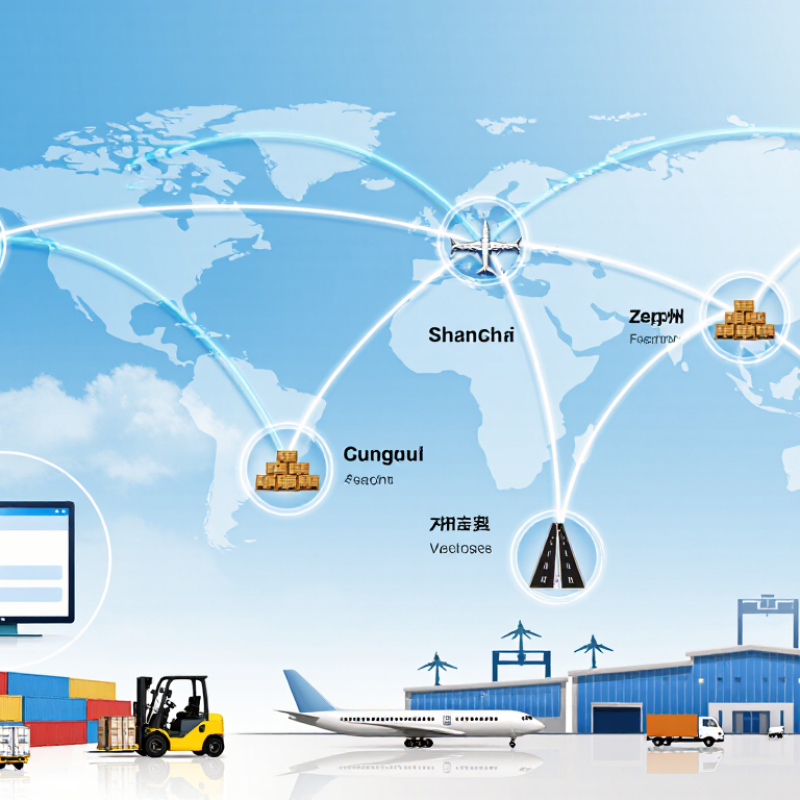
A reliable forwarder should connect major gateways such as Shenzhen, Shanghai, Guangzhou, and Zhengzhou with stable overseas partners. It should provide clear schedules, accurate dimensional-weight calculations, secure warehouse handling, and visible milestone updates. A practical test is simple: ask how the company manages a missed flight, a customs document discrepancy, or a sudden capacity shortage. The answer often reveals more than a polished website. Look closely.

Industry experience matters, but it should be measurable. Useful proof includes carrier relationships, audited compliance procedures, trained operations staff, shipment tracking performance, and references from similar exporters. The FIATA logistics standards and IATA cargo procedures provide valuable benchmarks for professional practice. However, no ranking is perfect. A forwarder that excels on China–Europe electronics shipments may not suit time-sensitive samples moving to North America. Cost can mislead. A low quote may exclude fuel surcharges, terminal fees, screening, or delivery coordination. The strongest choice balances transit reliability, communication, documentation accuracy, and total landed cost. This guide compares those factors carefully, while recognizing that real-world performance can vary by season, airport, and shipment profile.

What Is the Best Air Freight Forwarding Company in China?

What Is an Air Freight Forwarding Company?

An air freight forwarding company coordinates the movement of goods by air. It usually does not operate aircraft. Instead, it connects shippers with airlines, warehouses, customs specialists, and delivery partners. A reliable forwarder checks cargo dimensions, weight, packaging, and destination requirements before booking space. That small detail matters. Air freight pricing often depends on chargeable weight, not physical weight alone.

In practice, the forwarder books airline capacity, arranges pickup, prepares shipping documents, and monitors transport milestones. At a busy Chinese export gateway, cargo may pass through several handling points before departure. The forwarder should explain airport cut-off times, transit schedules, storage conditions, and possible delays. Clear communication prevents expensive surprises. Experienced teams also inspect packaging and confirm labels before cargo reaches the terminal. Mistakes still happen, especially when shipment details change late.

Choosing the best air freight forwarding company in China requires more than comparing low quotes. Ask how it handles missed connections, damaged packaging, schedule changes, and unclear tracking updates. Request a written service scope and a detailed cost breakdown. Past performance, trained staff, responsive communication, and dependable local coordination are useful indicators. No forwarder controls every event. That is worth remembering. A practical provider admits uncertainty instead of promising perfect delivery. Such honesty gives shippers a stronger basis for planning inventory, customer commitments, and transport budgets.

What Is the Best Air Freight Forwarding Company in China? - What Is an Air Freight Forwarding Company?
Evaluation Dimension What an Air Freight Forwarding Company Does Relevant Industry Data or Standard What to Check Before Selection
Core Function Coordinates cargo pickup, export procedures, airport handling, air transportation, import coordination, and final delivery on behalf of the shipper. An air freight forwarder normally acts as an organizer of the shipment rather than the aircraft operator. Confirm whether the provider offers door-to-door, airport-to-airport, or both types of service.
Shipment Pricing Basis Calculates freight charges using the higher of the actual gross weight and the volumetric weight. Volumetric weight is commonly calculated as: length × width × height in centimeters ÷ 6,000. Request a written quotation showing freight, fuel surcharge, security fees, handling fees, customs charges, and delivery charges separately.
Chargeable Weight Uses the billable weight determined from the shipment’s actual and dimensional characteristics. Chargeable weight = the greater of actual weight or volumetric weight, subject to the applicable carrier tariff. Provide accurate carton dimensions and gross weight to avoid later rate adjustments.
Transit-Time Planning Arranges flight space and connects origin pickup, airport processing, destination handling, customs clearance, and delivery. Air transit time is separate from total door-to-door lead time because customs, consolidation, airport handling, weekends, and local delivery add time. Compare the quoted flight time with the complete door-to-door schedule and the service recovery process for delays.
Export Documentation Reviews and coordinates shipping documents required for export and air carriage. Common documents include an air waybill, commercial invoice, packing list, and export customs information. Check whether document review is included and whether the forwarder identifies missing product descriptions, values, or tariff information before booking.
Air Waybill Management Prepares or arranges the air waybill used to identify the shipment and its transport instructions. The air waybill records key information such as shipper, consignee, origin, destination, pieces, weight, and routing. Verify that the shipment data, consignee details, number of packages, and declared weight match the commercial documents.
Customs Coordination Supports export declarations and coordinates with customs brokers or destination clearance agents. Customs treatment depends on the commodity, origin, destination, customs value, tariff classification, and applicable regulations. Ask who is responsible for tariff classification, customs entries, duty payment, inspections, and post-clearance corrections.
Cargo Security Coordinates security screening, handling controls, and documentation for air-cargo acceptance. Air cargo may be subject to screening, secure-chain controls, known-shipper requirements, and destination security rules. Confirm the screening method, security-related charges, prohibited-item policy, and procedures for cargo selected for inspection.
Commodity Acceptance Checks whether the cargo can be accepted for air transport and whether special handling is required. Dangerous goods, lithium batteries, live animals, perishables, pharmaceuticals, oversized cargo, and valuable goods may require additional procedures. Provide the Safety Data Sheet, battery information, product specifications, and packaging details whenever applicable.
Packaging and Labeling Advises on packaging, marks, labels, palletization, and protection against handling or transport damage. Packages should be suitable for stacking, airport handling, security inspection, and the characteristics of the product. Check whether the service includes packaging inspection, repacking, palletization, fragile-cargo handling, or labeling support.
Consolidation Service Combines compatible shipments from multiple shippers into a consolidated air-freight movement. Consolidation can improve cost efficiency but may add cutoff, warehouse handling, documentation, and deconsolidation steps. Compare consolidation frequency, minimum chargeable weight, cutoff time, and the procedure for urgent or split shipments.
Shipment Visibility Provides booking confirmation, milestone updates, document status, flight information, and delivery confirmation. Useful milestones include booking received, cargo picked up, accepted at origin, departed, arrived, customs cleared, out for delivery, and delivered. Test whether tracking information is updated by the forwarder, carrier, warehouse, and last-mile delivery provider.
Service Coverage Connects factories, warehouses, airports, customs locations, and delivery points within the agreed transport scope. China air-freight services commonly involve origin pickup, airport export handling, international carriage, destination handling, customs clearance, and delivery. Check the actual origin and destination coverage instead of relying only on a general service-area statement.
Incoterms Coordination Aligns transportation responsibilities, costs, and risk-transfer points with the sales contract. Incoterms rules define selected buyer and seller responsibilities but do not replace the transport contract, insurance contract, or customs regulations. Confirm the selected trade term, named place, import responsibility, tax responsibility, and delivery scope in writing.
Cargo Insurance Explains available insurance options and assists with claims documentation when cargo is damaged or lost. Carrier and forwarder liability may be limited by the applicable transport terms and conventions; it is not automatically equal to the cargo’s full commercial value. Review coverage limits, exclusions, deductible, claim deadline, required evidence, and whether insurance is arranged separately.
Data and Communication Maintains accurate shipment records and communicates changes to schedules, documents, charges, and delivery status. Accurate shipper, consignee, product, weight, dimensions, value, and contact data are essential for booking and customs processing. Evaluate response time, escalation procedures, named account contacts, and the availability of written shipment records.
Cost Transparency Breaks down transportation and related logistics charges before shipment confirmation. Final cost can include freight, fuel or security surcharges, origin handling, documentation, customs, storage, delivery, and special-service charges. Choose quotations that state validity period, currency, chargeable weight, included services, excluded services, and possible accessorial fees.
Best-Provider Decision Matches the forwarder’s capabilities with the shipment’s route, commodity, urgency, compliance requirements, and budget. There is no universally best provider; the best choice depends on total landed cost, reliability, compliance capability, visibility, and route-specific performance. Use a weighted scorecard covering price, total transit time, on-time performance, documentation accuracy, tracking, claims handling, and customer support.
Note: Air-freight charges, documentation requirements, security procedures, and customs rules vary by route, commodity, carrier, airport, and shipment terms. Confirm the latest requirements before booking.

How to Evaluate China’s Air Freight Forwarders

When choosing an air freight forwarder in China, evaluate the process, not only the quoted rate. A low price can hide fuel adjustments, handling fees, or weak delivery coordination. Ask for a written quotation showing airport charges, customs service, insurance options, and possible storage costs. Clarity matters. An experienced forwarder should explain routing choices, transit times, cargo limits, and seasonal capacity changes in plain language.

Request evidence of recent shipments similar to yours. References from comparable industries are more useful than general testimonials. Check whether the forwarder provides shipment milestones, direct contact details, and documented handling procedures. A reliable team should confirm pickup times, warehouse conditions, cargo measurements, and delivery requirements before booking. Ask how they respond to flight cancellations, weather disruptions, damaged packaging, or missed connections. Their answer reveals more than a sales presentation.

I would not treat a polished website as proof; that assumption can be expensive. Verify operating licenses, insurance coverage, data security practices, and written service terms. Review the contract carefully, especially liability limits and claims procedures. Even careful teams make mistakes. A missed pickup or incorrect measurement can delay an entire shipment. During evaluation, test communication with practical questions and record response times. The best forwarder is usually the one that combines transparent pricing, dependable updates, qualified staff, and realistic promises.

Key Services Offered by Leading Chinese Forwarders

A strong Chinese air freight forwarder does more than reserve cargo space. It coordinates pickup, export documentation, consolidation, customs preparation, and airport delivery. Experienced teams also compare direct flights with economical transfer routes. This matters when shipping from busy gateways such as Shenzhen, Shanghai, or Guangzhou. Small errors in carton dimensions can change the final chargeable weight.

IATA’s 2024 Air Cargo Market Analysis reported an 11.3% increase in global air cargo demand. Available capacity grew by 7.4% during the same period. This pressure makes accurate booking and space planning increasingly valuable. Leading forwarders provide shipment tracking, warehouse scanning, palletization, cargo insurance options, and exception alerts. Temperature-sensitive cargo may require validated packaging and controlled handling. Yet service quality differs between offices. A polished website is not proof of reliable execution.

Tips: Ask for a written quotation showing chargeable weight, fuel surcharges, handling fees, and delivery terms. Request recent on-time performance for your specific route. Confirm who checks commercial invoices and packing lists. IATA’s figures describe global trends, not every China-to-destination lane. I would also test a small shipment first. Real communication during a delay reveals more than a sales promise.

China’s air cargo and mail throughput reached a record 9.017 million tonnes in 2024. This expanding market highlights the importance of core forwarding capabilities, including international booking, customs coordination, consolidation, shipment tracking, cold-chain handling, and multimodal connections.

Source: Civil Aviation Administration of China (CAAC), annual civil aviation industry statistics. Values are shown in million tonnes.

Comparing the Best Air Freight Forwarding Companies in China

What Is the Best Air Freight Forwarding Company in China?

Comparing air freight forwarding companies in China requires more than checking quoted prices. A reliable forwarder should provide clear schedules, experienced staff, and accurate shipment tracking. I have found that strong communication often matters more than a small price difference. Delayed replies can create expensive problems at the airport.

Compare their main gateways, such as Shenzhen, Shanghai, Guangzhou, and Beijing. Each location offers different flight choices and handling conditions. Ask whether the company has direct airline partnerships or depends heavily on outside agents. This detail can affect space availability during peak seasons. Request a complete quotation, including fuel charges, terminal fees, customs handling, and delivery costs. Hidden charges are not always obvious.

Look for practical evidence. The forwarder should explain packaging requirements, cargo dimensions, transit times, and documentation in plain language. Industry certificates and verifiable customer references can support its professional reputation. However, certificates alone do not guarantee smooth service. My own comparison once focused too much on transit time and overlooked warehouse handling. That was a mistake. A company may promise fast flights but provide weak updates after pickup. Ask how delays, damaged cartons, and missed connections are handled. Test the response before booking. Reliable service should feel organized, not mysterious.

How to Choose the Right Forwarder for Your Shipment

How to Choose the Right Forwarder for Your Shipment

Choosing China’s best air freight forwarder depends on shipment fit, not advertising. Request a written quote showing pickup, airport handling, fuel adjustments, customs support, and final delivery. A low price may exclude important charges. That mistake can become expensive.

IATA reported that global air cargo demand grew 11.3% in 2024, while capacity increased 7.4%. Tight capacity can change space and rates quickly.

Ask whether the forwarder has confirmed airline space, backup routing, and experience with your cargo’s dimensions. For a shipment from Shenzhen to Frankfurt, compare direct service with a Shanghai connection. The fastest route is not always the most reliable.

Check operational evidence, not promises. Review recent on-time performance, shipment tracking, insurance procedures, and escalation contacts.

The World Bank’s 2023 Logistics Performance Index placed China 19th globally, showing strong logistics capability but also room for variation between locations.

A capable forwarder should explain airport cut-off times and provide clear document instructions. No checklist is perfect. Recheck weight, carton measurements, invoice details, and delivery terms before booking.

A short trial shipment may reveal communication gaps better than a polished sales presentation.

FAQS

What should a written air freight quotation include?

It should show pickup, airport handling, fuel adjustments, customs support, insurance, and delivery charges. Ask about storage fees. Hidden costs matter.

Is the lowest quoted rate usually the best choice?

Not always. A cheap quote may exclude handling or fuel charges. Compare complete costs, not one attractive number.

How can I verify a forwarder’s real experience?

Request recent shipment examples similar to yours. Check comparable cargo, routes, dimensions, and delivery requirements. General testimonials prove little.

What operational details should I confirm before booking?

Confirm pickup time, warehouse conditions, carton measurements, airport cut-off times, and required documents. Small errors can delay everything.

How should I evaluate routing options?

Ask about direct flights, connections, confirmed space, and backup routes. A Shenzhen-to-Frankfurt connection may cost less but add delay risk.

What happens if weather or flight cancellations disrupt delivery?

Ask for a clear response plan. It should cover rerouting, customer updates, missed connections, and storage arrangements. Vague answers are warning signs.

What documents and contract terms deserve careful review?

Check operating authorization, insurance coverage, liability limits, claims procedures, data protection, and written service terms. Read the small details.

How can I test communication before choosing a forwarder?

Send practical questions and record response times. Request shipment milestones and direct contacts. A short trial shipment may reveal weaknesses.

Should I trust a polished website or professional sales presentation?

No. Verify performance evidence, handling procedures, and recent references. Attractive presentation can still hide poor coordination. I would stay cautious.

What final checks should I complete before booking?

Recheck weight, carton size, invoice details, delivery terms, and cargo limits. Confirm every charge in writing. No checklist catches everything.

Conclusion

Choosing the best Air Freight Forwarding company in China requires more than comparing prices. An air freight forwarder coordinates the movement of goods by air, managing essential processes such as shipment planning, booking, documentation, customs coordination, cargo tracking, warehousing, and final delivery. A reliable provider should be evaluated by its industry experience, network coverage, communication speed, service transparency, cargo handling procedures, delivery performance, and ability to provide accurate quotations without hidden charges.

Leading Chinese forwarders may offer door-to-door transportation, airport-to-airport solutions, consolidation services, insurance assistance, real-time tracking, and support for urgent or specialized shipments. When comparing providers, consider their available routes, handling capacity, customer support, transit times, security standards, and flexibility for different cargo volumes. The right choice should match your shipment’s size, destination, schedule, budget, and documentation requirements. By requesting detailed proposals and confirming service responsibilities in advance, businesses can select a professional partner that provides dependable, efficient, and cost-effective international air transportation.

Oliver

Oliver

Oliver is a professional marketing specialist with extensive experience in developing clear, practical, and insight-driven content for modern businesses. As a key contributor to our company’s website, he regularly publishes expert blog articles that help readers better understand industry trends,......